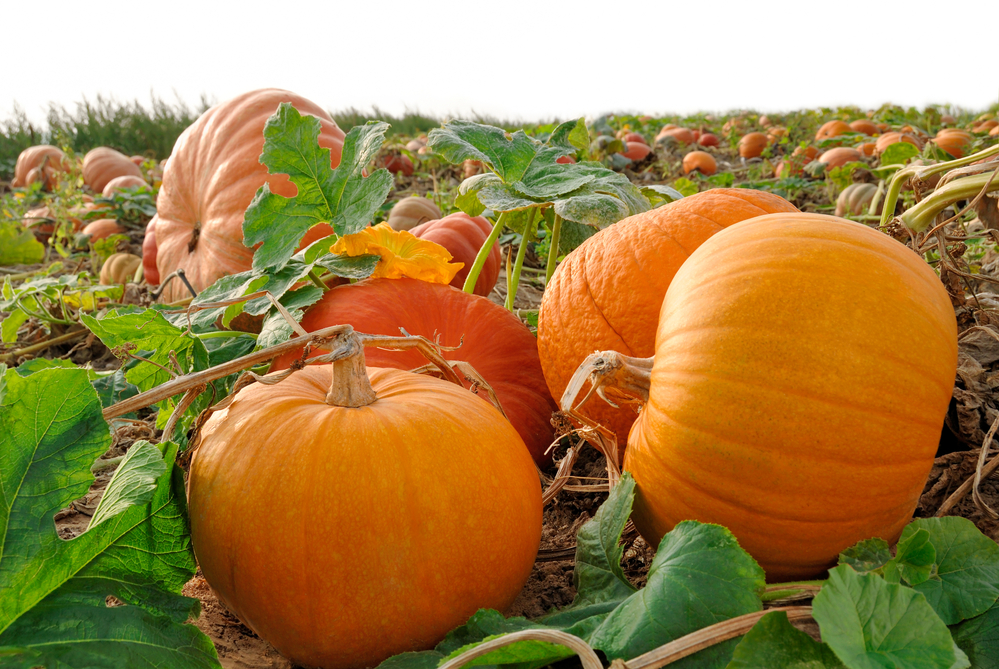
Pumpkins are in the squash family and they will have similar needs, but require more space. Plan to spread far and wide with pumpkins! Pumpkins are easy growers and like soil that is rich and very fertile. They are hearty eaters. Adding pumpkins to your garden and diet is a fun way to add some much needed nutrition. Pumpkins are full of vitamin A offering a mega dose of this rare gem. Pumpkins also contain a good amount of vitamin C, B-6, Magnesium, Iron, and Calcium. There are many creative ways to grow pumpkins in any garden space. Lots of gardeners have found success, using containers of many types, or right in the yard next to their porch. Trellis training is also possible if planned well.
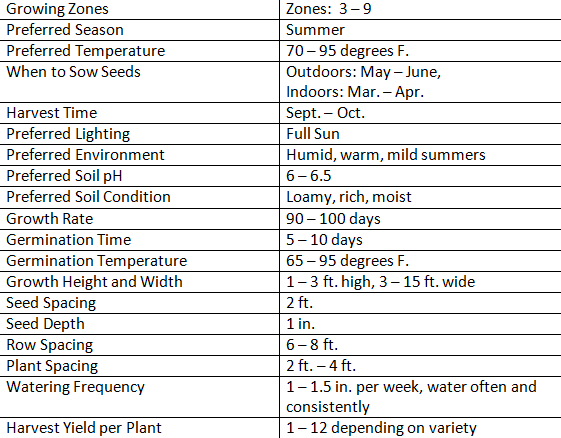
Plant 4 – 5 seeds directly in the ground in hills when temperatures are warmer than 70 degrees F. or indoors a few weeks before the last expected spring frost. Pumpkin vines are large, so give each plant ample space to spread along the ground or lawn. A trellis could be used for support. Planting seeds or seedlings in hill mounds 4 ft. apart, will promote soil warmth and plant growth. Make them the size of small pitchers mounds and amend with compost. Space them a few feet apart. Provide fertile soil that is well draining, moist not soggy, and somewhat loamy. When the seedlings are 2 – 3 inches tall, thin the plants to 2 – 3 per hill. Choose the healthiest looking plants and discard the others. Water often and deeply at the plants base. Use row covers as necessary to prevent insects. Use straw to mulch around the plants. Fertilize often and provide fresh compost regularly. Pumpkins require pollination so plant some companion plants that attract them in the garden area. Pruning or pinching off the fuzzy vine ends can focus growth on the fruit. Turn fruit as it forms to keep its shape. Use a hanging net or boards under the pumpkins to prevent rotting spots or decay. Harvest pumpkins when mature to have the best results. Look for a deep orange color and listen for hollowness when the pumpkin is tapped.
When plants have died back and the pumpkins are ready, pick a dry day and cut the pumpkins off the vine using shears or scissors, leaving a 3 – 4 in. stem. Handle the pumpkins softly to avoid bruising. Cure your pumpkins in the sun to toughen the skin and then store them in a cool dry dark place like a cellar.
Common Diseases
Anthracnose spreads in the air and in water. It is a fungus that causes die back of leaves and appears as small watery round spots at first and over time caused the tops of the plant to appear to die back while the bottom of the plant still looks healthy. Once it reaches the plants roots, it will cause them to rot. It loves wet, warm, cloudy weather and can overwinter in soil. Choosing disease resistant varieties, practicing good crop rotation methods, and using fungicides early in the season can help prevent it.
Powdery Mildew is caused by spores transferring in the wind. It causes a white powdery film to develop of the plants leaves. Older leaves will yellow and turn brown. Treatment involves monitoring for severity and treating with a fungicide when necessary.
Common Pests
Aphid nymphs and adults like to suck on plant juices, attack plant leaves, stems, buds, flowers, fruits, and the roots of many vegetable plants. To find them look for misshaped, curling, or yellowing leaves. Look for tiny eggs on the undersides of leaves. They can be one of many colors, such as, white, tan, red, yellow, brown, or black. They are tiny and usually cover large portions of the leaves and stems. To prevent them, you can plant companion plants such as herbs that may deter or distract them. You can try and knock them off by spraying the plants thoroughly with water. Neem oil, insect soaps, cayenne pepper spray, a dusting of flour, and diatomaceous earth are all effective against aphids.
Cucumber Beetles come in different types. The striped cucumber beetle loves to feast on the fruits of your labor, while the spotted varieties will pretty much eat anything and more types of plants than the stripped beetles. Besides causing damage to your plants these beetles can also spread diseases. To prevent them, use sticky traps, hand pick or create traps for them, companion plant with plants that deter them, try row covers, and use a insecticide if it is specifically made for use on cucurbits, as they are sensitive.
Squash Bugs look a bit like stink bugs and are larger bugs with a gray or brown body. They tend to group on the undersides of leaves and lay eggs. They cause damage to leaves, stems, and vines when feeding and can destroy a smaller plant. To prevent them, try to detect them early by removing any eggs and destroying them, setting traps for the adults, and using insecticides if necessary.
Squash Vine Borer lays eggs at the base of squash plant varieties. The larvae hatch and feed on stems and fruit. If your squash plants are struggling, there may be a borer issue. They burrow in soil over the winter and match to become moths in the summer. To prevent them, practice good crop rotation, till the soil in the spring and fall to kill larvae, create barriers around the stems or by using tight row covers, use diatomaceous earth around the stalks, or an organic insecticide.

0 Comments