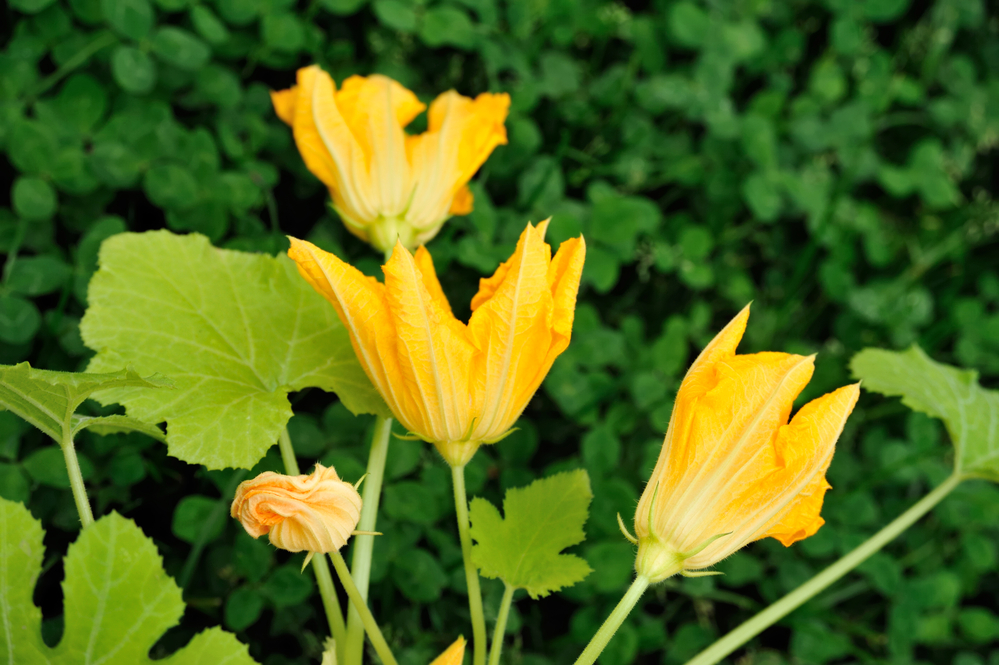
Squash is a nice addition to the garden; it produces beautiful flowers, fruit, and foliage. Squash flowers in the morning are a sight to behold as they open in a magnificent way in hopes of a pollinator. Squash takes a full season to grow but it’s totally worth the harvest when those beauties come off the vine. Squash is full of vitamin A, E, C, B6, fiber, and protein. It is very nutritious and delicious. I love to make sautéed squash for a side dish and squash casserole is always a hit at holiday gatherings.
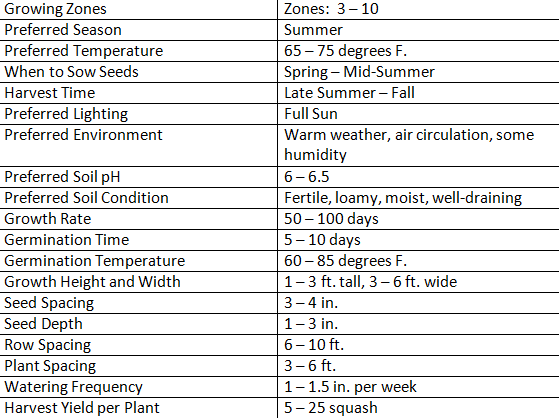
When all threats of frost have past and spring is warm, plant squash directly outdoors. Give each plant a good amount of space when they are strong and ready to be transplanted to their permanent spot. Make sure to thin out the weaker seedlings at that time. Water your squash seedlings consistently and often and provide fertilizer every few weeks to provide nutrition. As the squash grow start harvesting any time after they are 6 -8 inches long. Bottle neck and summer squash taste best small. Never let the soil get too soggy, squash plants like moisture but hate to be waterlogged, so ensure good drainage. Use organic mulch like straw, to keep the squash off the soil. This will prevent rotting and diseases. On very hot summer days, use shade covers to prevent leaf wilting. Squash flowers are both male and female and require pollination from insects. Some squash varieties are vines and will need trellis support or room to grow. Others are bush varieties that require less space.
Harvest squash when they are nice and firm, and between 6 -8 inches long. Twist the squash off the stem or cut it off with scissors or shears to prevent plant damage. Wash the squash and store in the refrigerator for about a week or cut into slices and freeze in freezer bags for longer storage.
Common Diseases
Bacterial Wilt is transferred to vining plants from insects and causes wilting of the vines stems and leaves over time. It is not treatable once a plant is infected. Remove any infected plants, and soil. Control with disease resistant varieties and insecticides that prevent the insects that transfer it such as cucumber beetles.
Downy Mildew is caused from wet humid conditions. Overhead watering is also a cause. To prevent, water at the base of the plants, provide good air circulation, and keep leaves as dry as possible. 1 part milk to 10 part water mix can help if it’s already started. Fungicides can help prevent it.
Powdery Mildew is caused by spores transferring in the wind. It causes a white powdery film to develop of the plants leaves. Older leaves will yellow and turn brown. Treatment involves monitoring for severity and treating with a fungicide when necessary.
Gum Stem Blight causes brownish tan spots to appear on the leaves and stems of the plant. It is caused by the same fungus that causes fruit rot, called Didymella Bryoniae. The lesions and cankers will look similar to targets, or appear ringed. To prevent it remove any diseased plants and treat with fungicides regularly. Practice crop rotation and water at the plants base.
Common Pests
Cucumber Beetles come in different types. The striped cucumber beetle loves to feast on the fruits of your labor, while the spotted varieties will pretty much eat anything and more types of plants than the stripped beetles. Besides causing damage to your plants these beetles can also spread diseases. To prevent them, use sticky traps, hand pick or create traps for them, companion plant with plants that deter them, try row covers, and use a insecticide if it is specifically made for use on cucurbits, as they are sensitive.
Squash Bugs look a bit like stink bugs and are larger bugs with a gray or brown body. They tend to group on the undersides of leaves and lay eggs. They cause damage to leaves, stems, and vines when feeding and can destroy a smaller plant. To prevent them, try to detect them early by removing any eggs and destroying them, setting traps for the adults, and using insecticides if necessary.
Squash Vine Borer lays eggs at the base of squash plant varieties. The larvae hatch and feed on stems and fruit. If your squash plants are struggling, there may be a borer issue. They burrow in soil over the winter and match to become moths in the summer. To prevent them, practice good crop rotation, till the soil in the spring and fall to kill larvae, create barriers around the stems or by using tight row covers, use diatomaceous earth around the stalks, or an organic insecticide.

0 Comments