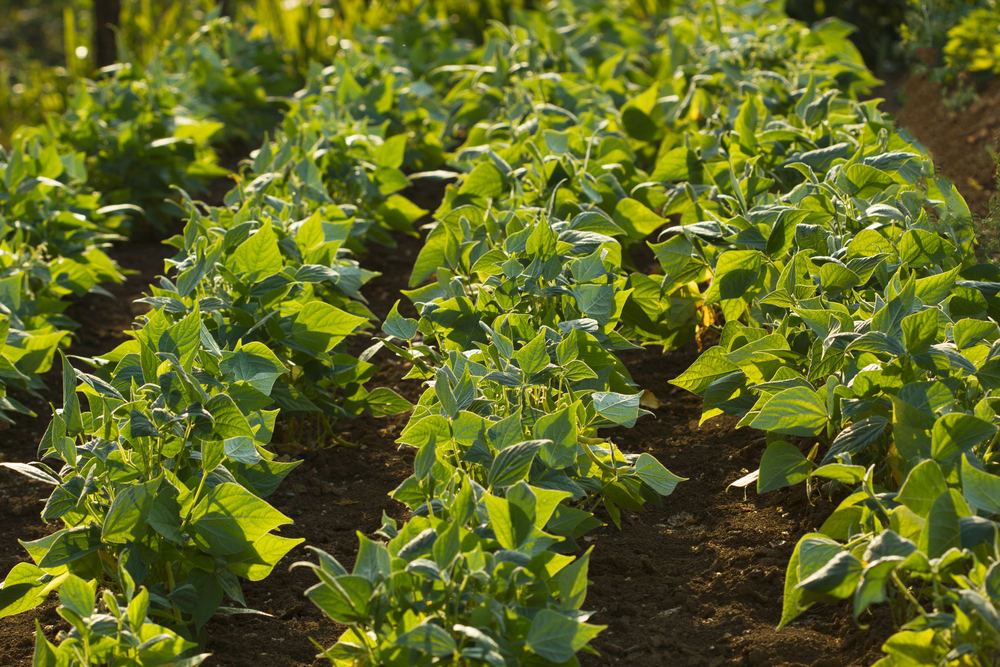
Green Beans are a great addition to the garden. They are wonderful for beginners because they are easy to grow and high producers. They produce their own nitrogen so they don’t need as much fertilizer and improve the soils overall condition. Their little flowers are lovely and the flower colors vary depending on type. Green beans come in 2 main varieties. Some are bush types and some are vines that climb and need support. Some support options are; a trellis, stakes, and creating a tripod stand.
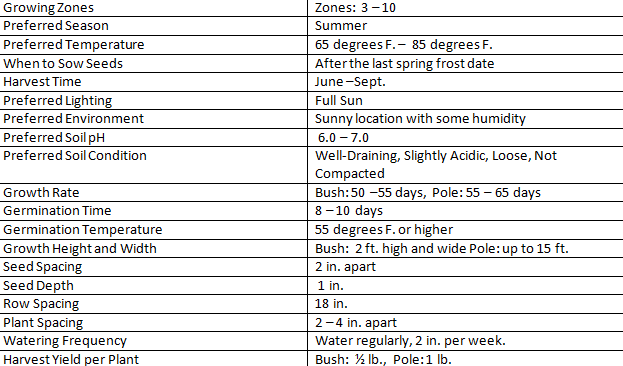
Plant green beans after the last expected frost date in early spring. Sow seeds 1 – 2 in. deep, 2 – 4 in. apart, and in rows that are 1 1/2 feet apart. Provide pole beans with support when planting, as they are speedy growers. Choose a sunny location and use slightly acidic soil that is loose and loamy. Water often and consistently. Fertilize with a low nitrogen fertilizer only when needed, for example, when plants leaves look yellow and when plants start to produce beans. Sow seeds every two weeks for a continuous crop and practice crop rotation every year to prevent diseases. When the weather is really hot, over 90 degrees F., use covers to prevent the plants from wilting. If pole beans reach the top of the support provided, pinch off any new flowers to encourage more production on the lower part of the vine. Keep the area weed and debris free.
Harvesting in the morning ensures the beans are the tastiest. Pick often and regularly, to improve production. Pick the green beans when they are still young and tender, before the pod seeds start to bulge. They should snap off easily but can be cut from the plant, just don’t pull too hard on the plants when harvesting. Store the beans in airtight containers, for up to 4 – 5 days in the refrigerator. They can also be blanched, frozen, or canned immediately after harvesting, for longer term storage.
Anthracnose is fungal and attacks many types of plants especially cucurbits and other vegetable plants. It causes yellow, brown, black, purple, and rust colored spots to appear on leaves and stems. It is often spread in rainy moist environments. Prevent it by removing infected plants and choosing disease resistant varieties. Water at the base of the plants only and provide good air circulation. Practice crop rotation yearly.
Powdery Mildew causes a white, powdery growth to form on the plant leaves and can lead to discoloration and lower harvest yields. It is managed best with fungicide, applied regularly.
White Mold is the fungus, Sclerotinia, and can appear on many parts of the plant. Plants will wilt and die off slowly and patches of white mold will appear. It can reduce harvest amounts. To prevent spreading, destroy any infected plants and remove any infected mulch or soil from the growing area. Water at the plants bases, not overhead, and control weeds in the area. Use fungicides if necessary and do not allow the mold to overwinter In the soil or garden areas.
Mosaic Virus is usually spread by aphids and causes leaves to have yellow, white, or pale streaking, creating a molted look. It leads to deformities and misshaped fruit production. This virus is non curable. Once it infects a plant, that plant should be removed and disposed of. It should not be put in compost. Keep your garden weed free, and consider row covers or netting, to prevent these insects from taking over your plants.
Aphid nymphs and adults like to suck on plant juices, attack plant leaves, stems, buds, flowers, fruits, and the roots of many vegetable plants, including beans. To find them look for misshaped, curling, or yellowing leaves. Look for tiny eggs on the undersides of leaves. They can be one of many colors, such as, white, tan, red, yellow, brown, or black. They are tiny and usually cover large portions of the leaves and stems. To prevent them, you can plant companion plants such as herbs that may deter or distract them. You can try and knock them off by spraying the plants thoroughly with water. Neem oil, insect soaps, cayenne pepper spray, a dusting of flour, and Diatomaceous Earth are all effective against aphids.
Beetles come in different types. Besides causing damage to your plants beetles can also spread diseases. To prevent them, use sticky traps, hand pick, create traps for them, companion plant with plants that deter them, or try row covers.
Cutworms cut stems of plants off at their base and they love a new transplant. Coffee grounds, egg shells, and diatomaceous earth are helpful when spread around plant bases and stems. Bacillus thuringiensis (Bt) or another natural insecticide can be used in extreme cases. You can also hand pick them at night every few days to lower their numbers.
Leaf Hoppers are known to carry a harmful virus called curly top, and it can impact beans and other vegetables. Leaf hoppers like to suck on the juices of host plants causing the plants to become yellow and look diseased. Infected plants will likely die and the virus can overwinter and spread again the next year. The best way to avoid this virus is to plant disease resistant varieties. Insecticides may prove beneficial if applied early before they find a host and then regularly after. Diatomaceous earth and insecticidal soap may also be effective preventatives.
Root Knot Nematodes If plants look wilted and genuinely unhealthy, pull up one plant and check for root knots. Remove all diseased plants from the garden. Remove any soil in the affected area. Replace plants with varieties that are resistant to Root knot.
Snails and Slugs feed on all parts of green bean plants and create shot holes, injure buds, and damage tissues of the plant. Cutting back plants annually and granular snail and slug bait treatments are somewhat effective at preventing these pests.
White Flies create sticky honeydew residue on leaves as they feed and this can cause mold to form. It can also stunt seedlings and transplants depriving them of nutrients. Neem oil is an effective preventative.

0 Comments