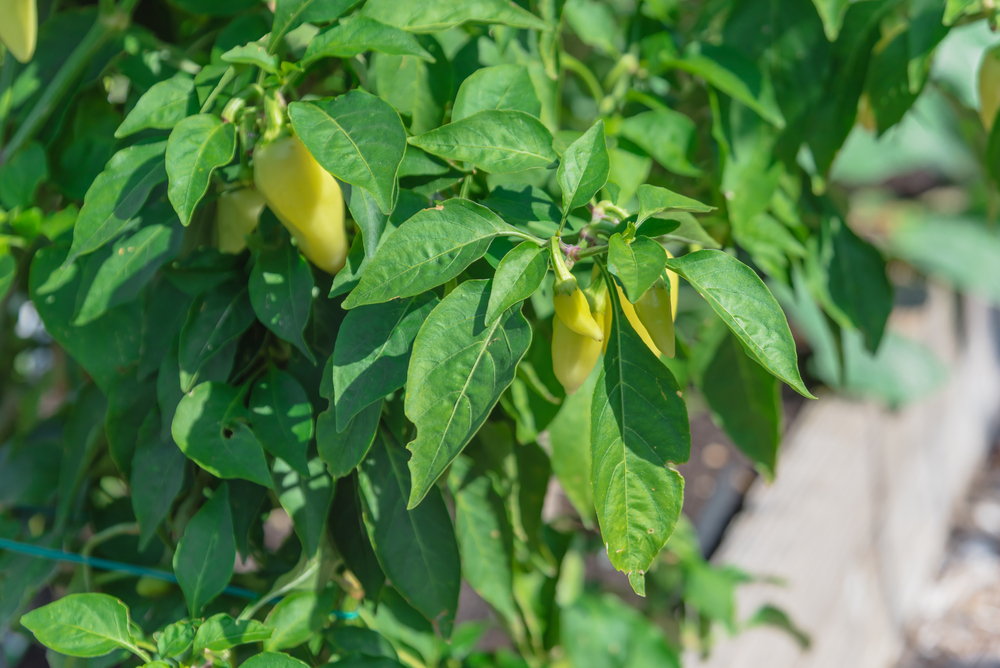
Banana Peppers are summer lovers and heavy producers. If you’re looking for an easy crop to grow, banana peppers are an excellent choice. They are full of the vitamins, A, B6, C, K, calcium, potassium, and foliate! Banana peppers are a milder version of hot peppers, so most people are able to enjoy them and their flavor. They are perfect pickled or sliced in a nice salad.
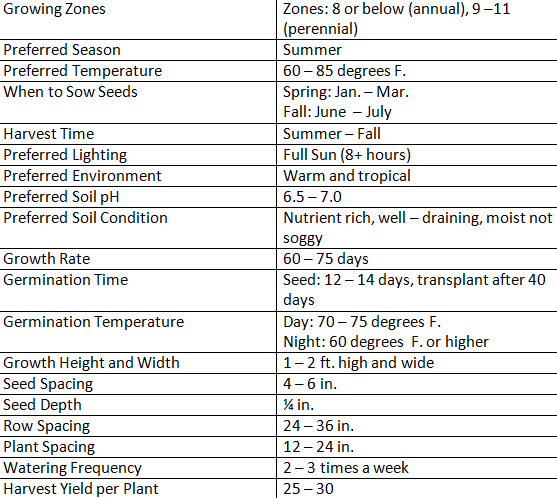
Banana peppers like other peppers are summer lovers. They prefer a nice sunny spot with lots of space. They are very similar to tomatoes when it comes to care and make great companions with them. Plant your peppers in a spot that gets at least 8 hours of sun a day. Seedlings are tender and delicate so don’t transplant before they have at least two sets of leaves. A rich composted soil will help them to grow strong and healthy. Ensure the soil stays moist but not soggy. Peppers need a good amount of water to produce. Watering consistently will help you avoid odd shaped peppers. Mulching with straw or hay will help keep moisture in. Banana peppers grown in pots, will likely need more watering, than in-ground plants. Check your pots every day for dryness.
Banana peppers cannot tolerate frost at all. They will get stressed, their leaves will yellow, and they will stop producing. You can over winter your plants by transferring them to pots and moving them indoors to an area that is warmer than 50 degrees F. Remove all peppers and spray for pests before moving them indoors. Water once or twice a month, and they will likely come back next year. Many gardeners treat peppers as annuals or grow them in greenhouses over the winter.
Blossom End Rot in Banana Peppers is due to a calcium deficiency. To avoid, water consistently, keep plants in an environment with as little stress as possible, mulch, and add lime or Epsom salt water to the soil to improve calcium uptake.
Leaf Spot is a bacterial disease spread by overhead watering or rain. It creates spots on the leaves services that are yellow, tan, or brown in color. Fruit may develop raised rough patches, but it’s still edible. To prevent, remove any highly infected branches and leaves and spray with a cooper based fungicide every two weeks. Rotate peppers into new soil for the next year, if the disease is persistent. It can overwinter and come back the next year.
Powdery Mildew causes a white, powdery growth to form on the pepper plant leaves and can lead to discoloration and lower harvest yields. It is managed best with fungicide, applied regularly.
Aphids, Mites, Thrips, and Whiteflies are all tiny insects that cause pepper plant leaves to curl, and these little bugs lay eggs on the plant leaves, which is a sign they are around. They feed on the plants leaves and stems creating damage and spreading viruses. Insecticidal soap will kill these soft bodied insects.
Cutworms cut stems of plants off at their base and they love a new transplant. Coffee grounds, egg shells, and diatomaceous earth are helpful when spread around plant bases and stems. Bacillus thuringiensis(Bt) or another natural insecticide can be used in extreme cases. You can hand pick them at night every few days to lower their numbers.
Flea Beetles are tiny beetles that create holes in the leaves that are sporadic. They can spread diseases like wilt and blight. To treat for flea beetles, you can use insecticidal soap, an early season insecticide, talcum powder, or sticky traps. All these options will reduce their numbers and damage.

0 Comments