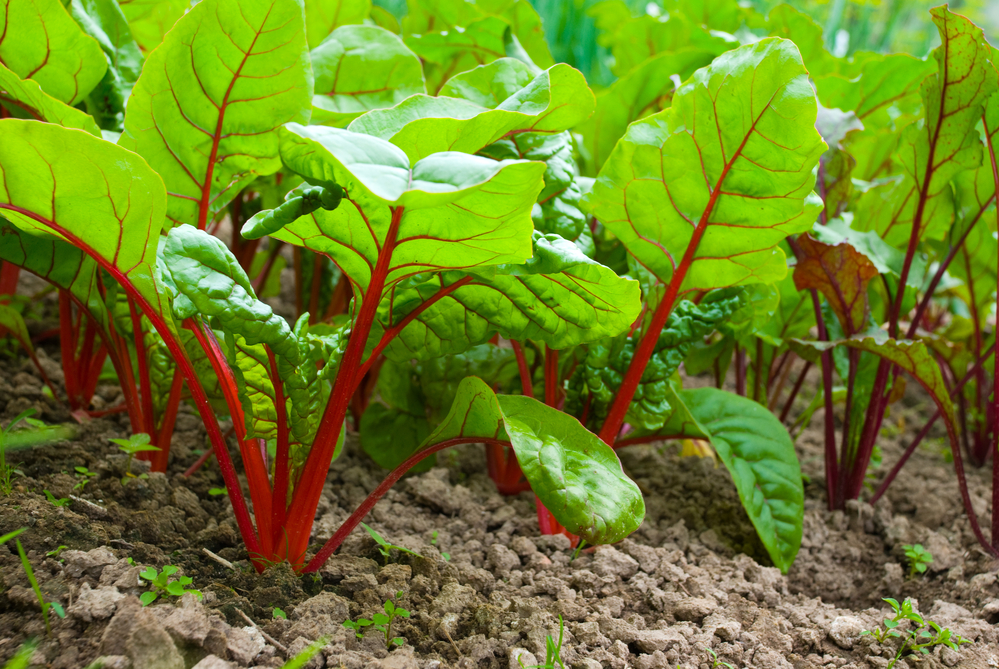
Beets are a cool season vegetable that do not tolerate the heat of the summer sun too well. It is better to start beets in the early spring or late summer. You can eat the beets and the greens of the plant, so they have a lot to offer in the vegetable department. The greens are rich in vitamin K, copper, manganese, iron, and calcium. Beet roots are a great source of manganese, potassium, iron, fiber, and foliate. Eating beets can improve your health and your waist line because they have no fats or cholesterols, just loads of nutrition!
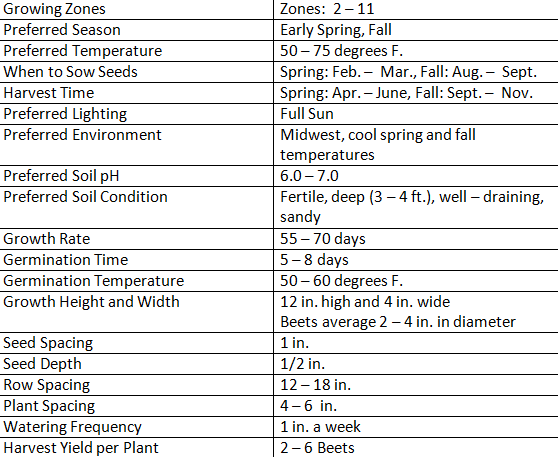
You can plant beets in early spring for an early summer harvest, or late summer for a fall harvest. Summer heat, higher than 75 degrees F., is too hot for beets. Plant seeds about an inch apart and half an inch deep. Plant seeds in a sandy soil, that has rich nutrients from compost, and lacks any rocks or large debris. Plant seeds close together, and then thin them out when the beet foliage reaches about four inches tall, since each beet seed is really 2-4 clustered seeds. Separate them to about 3-4 inches apart at that point. Water regularly, and consistently, about 3 times per week. To help retain moisture, use an organic mulch like straw or wood chips. Keep the area weed free to prevent unwanted pests from making a home in your beet garden.
If you live in the growing zone nine or warmer, you can grow your beets all winter! Everyone else start should start new each spring or fall. Harvest all beets before the soil starts to freeze.
Harvest your beets after two months or so, when they are 2 – 4 inches in size. Very large beets will start to lose their flavor. Dig around the plant and pull them up gently like you would when harvesting potatoes. You can harvest and eat beet greens at any time, just be sure to only take a few leaves at a time from each plant, to avoid stress. When leaves are larger than 6 inches and are tougher, stop harvesting the greens for consumption.
Storing beets in the refrigerator will help them last about a week. Cut the stems about inch from the beet and store the greens separately to help both last longer. You can store beets in a basement or cellar by burying them in sawdust and keeping them in a cool, dry place. Canning and pickling beets are other popular ways to store your beautiful beet harvest.
Leaf Spot is common with beets. It is caused by a fungus that is in the soil and can survive for 2-3 years. Overhead rains and watering, spreads the fungus, causing the plants to develop brown, yellow, tan, or gray spots making the greens look sickly and unhealthy. A copper based organic fungicide is an effective preventative. Using disease free seeds, rotating crops, and limiting overhead watering, will also help.
Powdery Mildew creates a powdery white film to form on your beet greens and roots. It is commonly spread in the air by wind and is caused by a fungus. A sulfur based organic fungicide can be applied regularly as a preventative.
Flea Beetles are tiny beetles that create sporadic holes in the leaves. They can spread diseases like wilt and blight. To treat for flea beetles, you can use insecticidal soap, an early season insecticide, talcum powder, or sticky traps. All these options will reduce their numbers and damage.
Leaf Miners are tiny flies that leave white trailing patterns on your beet greens. The flies lay eggs on the leaves and then the larvae feed on the foliage, and drop into the soil. After 10 -20 days new flies emerge. If applied before eggs hatch, a Spinosad insecticide is an effective treatment.
Leaf Hoppers are known to carry a harmful virus called, curly top, and it can impact beets and other vegetables. Leaf hoppers like to suck on the juices of host plants causing the plants to become yellow and look diseased. Infected plants will likely die and the virus can overwinter and spread again the next year. The best way to avoid this virus is to plant disease resistant varieties. Insecticides may prove beneficial if applied early before they find a host and then regularly after. Diatomaceous earth and insecticidal soap may also be effective preventatives.

0 Comments