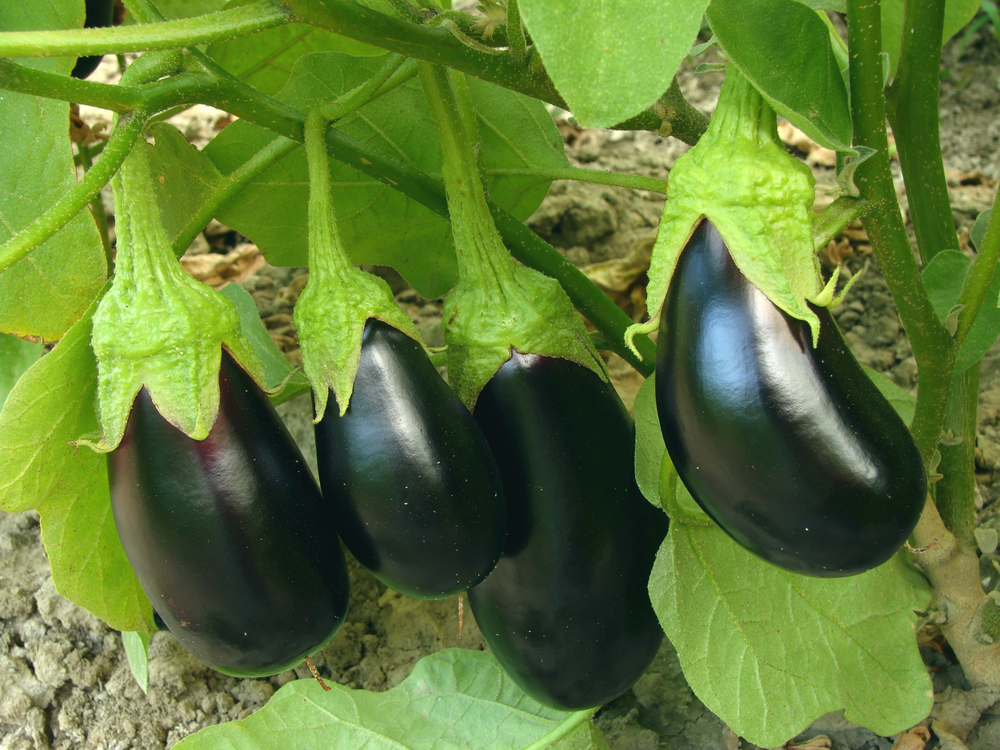
Eggplant is a nutritious addition to all gardens and is easy to grow. Eggplants contain a good source of fiber, protein, manganese, foliate, potassium, and vitamins A, C, and K, making them a perfect main or side dish. They are summer lovers and grow on tall plants that branch out like tomato and pepper plants do. They grow very well in containers, raised beds and in-ground, making them ideal for most gardens big or small.
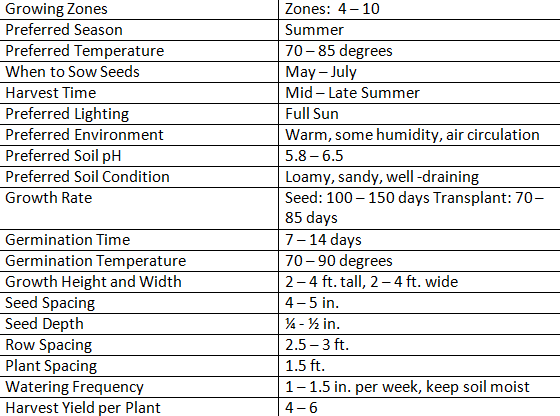
Two months before your last spring frost date, start seeds indoors under lights, keeping the temperature above 70 degrees or buy transplants just before you plan to start your garden outdoors. Pick the sunniest spot you can, and provide them with well-draining, sandy, soil that is rich in compost. If necessary cover the soil with a black plastic sheet before transplanting. Fertilize your plants often as eggplants need lots of nutrients to grow. Look for fertilizers that are 5% nitrogen, 10% phosphorous, and 10% potassium. Staking the plants will likely be necessary for support. Eggplants become really heavy as they grow larger. Provide a stake shortly after they are transplanted. Use mulch and provide row covers as necessary to keep pests at bay.
If using containers, dark colors will absorb more sunlight and keep your soil consistently warmer. Each plant needs a large container preferably, 5 -7 gallons. Use a potting mix or container mix soil as in-ground and raised bed kinds will be too compact and hard for containers.
Eggplant tastes best when it’s picked young. The fruits skin should be firm, glossy, unwrinkled, and have uniform color. The seeds inside the fruit should be fully formed and soft. Dark and hard seeds are a sign of over ripeness. Cut fruits from the plant with a sharp knife. Avoid pulling on the plants and wear gloves if the calyx (green cap) is too prickly. Cut plants back after harvest for a second crop.
Powdery Mildew causes a white, powdery growth to form on the plant leaves and can lead to discoloration and lower harvest yields. It is managed best with fungicide, applied regularly.
Flea Beetles are tiny beetles that create sporadic holes in the leaves. They can spread diseases like wilt and blight. To treat for flea beetles, you can use insecticidal soap, an early season insecticide, talcum powder, or sticky traps. All these options will reduce their numbers and damage.
Hornworms chew on leaves and fruit in frenzy like manner, leaving your leaves damaged and fruits ruined. In spring they lay eggs on the undersides of foliage and overwinter in cocoons in the soil. They can grow quite large, are green, and look similar to caterpillars. They tend to work their way from the top of the plant down and may leave black droppings behind as clues. To prevent them, handpick them regularly, and use an organic pesticide like Bt (Bacillus thuringiensis) and/or an insecticidal soap regularly.

0 Comments