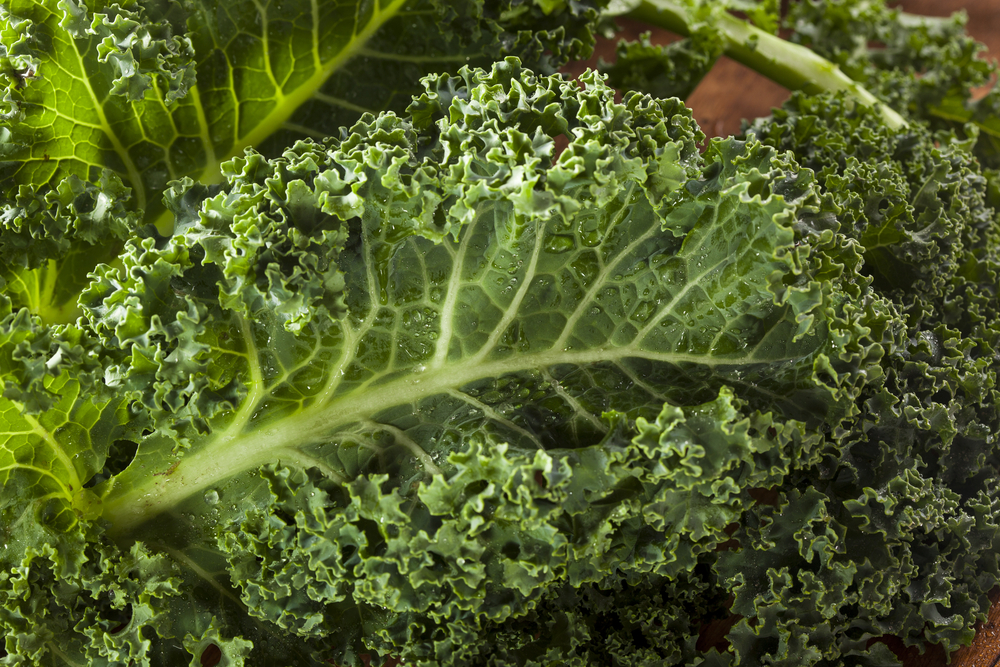
Kale is the perfect fall vegetable to grow because it can withstand temperatures that are lower than most vegetables can tolerate. It is a great addition to any diet, as Kale is rich in vitamins A, K, B6, C, calcium, potassium, copper and manganese. Kale is a rather beautiful leafy vegetable and comes in many different colors, and textures. Add it to salads, sauté it like spinach, or add it to your morning smoothie for a jolt of nutrition.
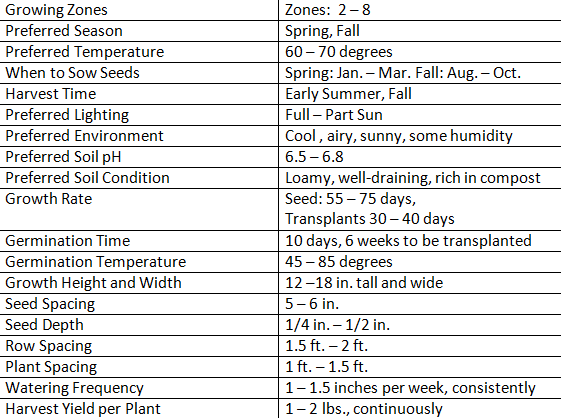
Kale prefers full sun, but can tolerate partial shade. Enrich soil with compost rich in nitrogen, if necessary, to achieve an ideal pH of 6.5 – 6.8. Sow seeds in early spring or late summer/early fall. Avoid the heat and humidity of summer as Kale does best in temperatures lower than 75 degrees. When transplanting or thinning out your seedlings space your plants about a foot apart. Keep your plants well-watered with the soil consistently moist. Provide your Kale with lots of nutrients by using a fertilizer that is 5% nitrogen, 10% phosphorous, and 10% potassium. Cover soil with mulch to keep it warmer in colder temperatures and cooler in warmer temperatures.
If temperatures drop below 20 degrees cover your Kale with row covers to protect them from the harsh cold winds, or cover your kale with clear plastic containers or sheets. In warmer locations Kale can be grown all season. Keep the soil heavily mulched.
Harvest Kale when the leaves are about the size of a hand, 6 – 8 in. Remove the older leaves first from the lower sections of the plant. Always avoid the terminal bud that keeps the plant producing. Kale will produce as long as the temperatures are above 20 degrees. Store Kale leaves in a plastic bag wrapped in a damp paper towel for about 7 – 10 days. The dampness of the paper towel keeps leafy vegetables crisp.
Anthracnose is fungal and attacks many types of plants especially vegetable plants. It causes brown, black, purple, and rust colored spots to appear on leaves and stems. It is often spread in rainy moist environments. Prevent by removing infected plants and choosing disease resistant varieties. Water at the base of the plants only and provide good air circulation. Practice crop rotation.
Downy Mildew is caused by a fungus that causes a purple-brown mold to develop in irregular shaped patches. These patches are tiny mold spores produced by the fungus, and this disease is very common in wet or humid weather. Severely affected leaves collapse and die in a few days. Downy mildew overwinters in soil and debris and is spread by the wind. To prevent, practice crop rotation, and use fungicides regularly in highly susceptible areas.
Aphid nymphs and adults like to suck on plant juices, attack plant leaves, stems, buds, flowers, fruits, and the roots of many vegetable plants, including Kale. To find them, look for misshaped, curling, or yellowing leaves. Look for tiny eggs on the undersides of leaves. They can be one of many colors, such as, white, tan, red, yellow, brown, or black. They are tiny and usually cover large portions of the leaves and stems. To prevent them, you can plant companion plants, such as, herbs that may deter or distract them. You can try and knock them off by spraying the plants thoroughly with water. Neem oil, insect soaps, cayenne pepper spray, a dusting of flour, and Diatomaceous Earth are all effective against aphids.
Cabbage Worms become small white butterflies. They are very small little caterpillars with a yellow stripe and often lay eggs on your plants. They create heavy feeding damage on leaves in the form of irregular holes and can leave a stem leafless. Sticky traps and regular treatments of Bacillus thuringiensis (Bt) are effective preventatives.
Flea Beetles are tiny beetles that create sporadic holes in the leaves. They can spread diseases like wilt and blight. To treat for flea beetles, you can use insecticidal soap, an early season insecticide, talcum powder, or sticky traps. All these options will reduce their numbers and damage.

0 Comments