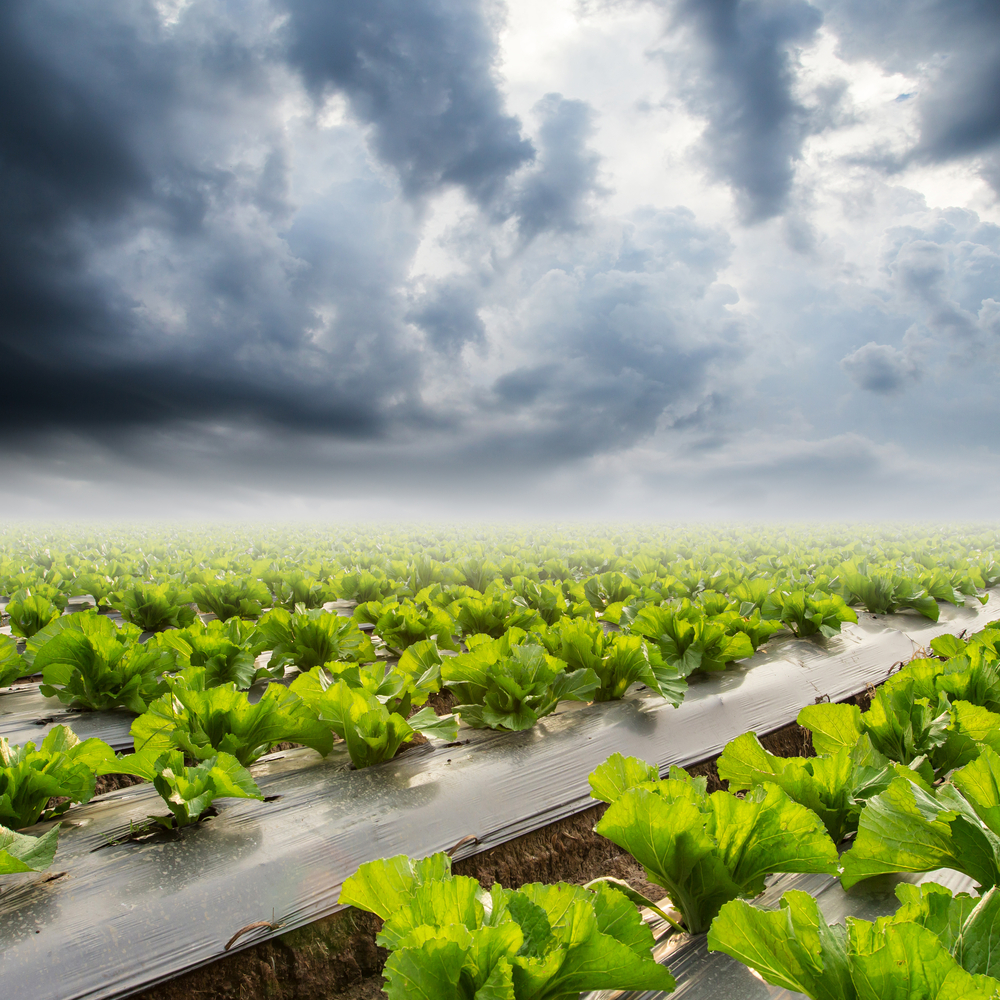
Weather conditions are always a concern for gardeners. When weather conditions are not ideal, it can be confusing to know when and how much water to provide your plants. Strong winds, lightening, fires, flooding, and droughts can all destroy a garden but it’s not hopeless. Occasionally, a really bad storm can set your garden back or you might even lose a seasons crop, but this is a rare occurrence. There are a few ways you can try to protect your garden from poor environment conditions.
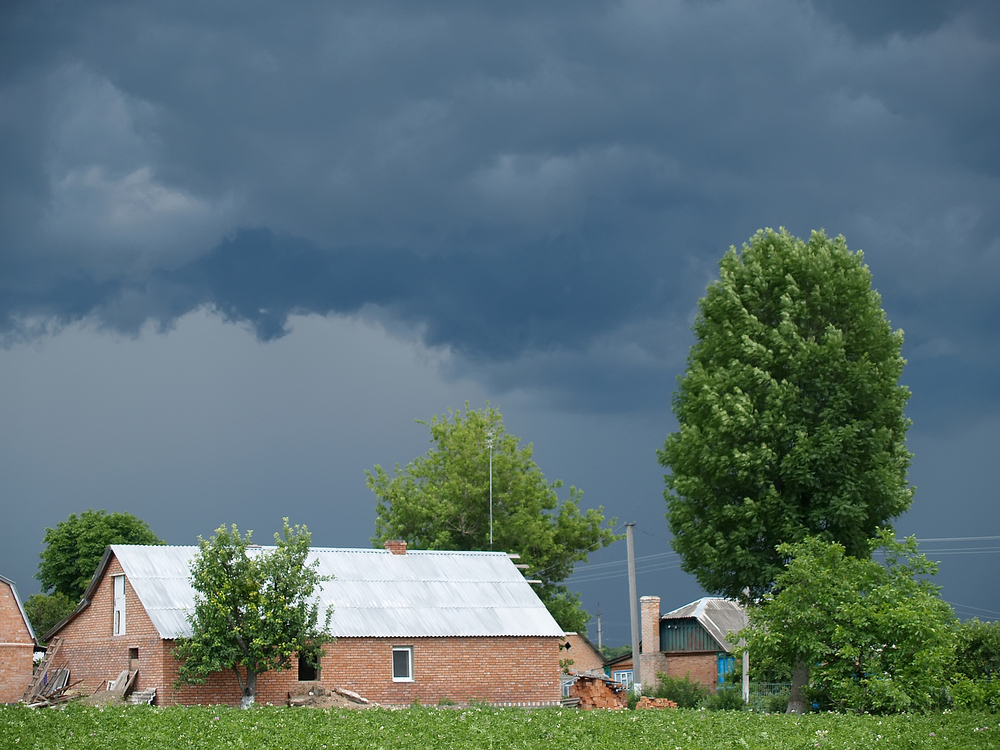
Long periods of rain can cause a variety of issues in the garden. Plants that are tender may wilt and die, a fungus might develop, and pests can feel more welcome causing disease and viruses to spread. Soil can become too saturated and will not have enough air pockets for the plants to thrive. To protect your plants from too much rain you can do a few things before a storm and after.
Before a storm, move any plant containers to a safer location out of harm’s way. Remove any tree limbs or debris that may get blown into the garden by heavy winds. Mulch any areas that could erode from flooding. If necessary and reasonable, cover your plants with durable covers or tents.
After a storm or long rain period, drain anything that is holding standing water, check plants for signs of fungal or bacterial diseases, look out for snails and slugs in the area, remove any weeds, and provide plants with extra nutrients if needed.
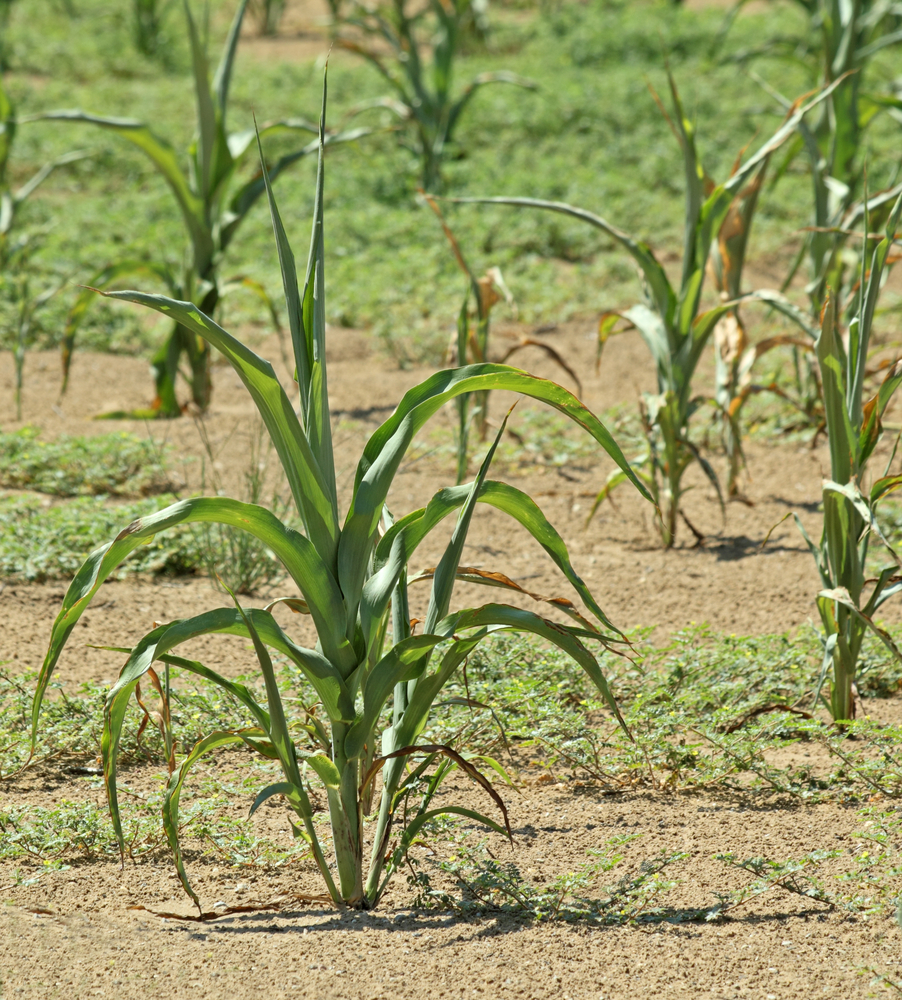
Very little rain and periods of drought can lead the garden to become so dry your plants turn brown and die from lack of nutrient intake. When soil becomes too dry and hard, plants have a more difficult time absorbing what they need from the soil and things quickly start to fade out and wither. If water is available in your area or you have access to rain barrels, this issue may not be as much of a challenge.The challenging part here is keeping your plants moist, in an environment that is likely very hot and dry. Planting earlier or later in the season may be necessary if your location is known for summer droughts. Thick layers of mulch can help keep your plants moist. Consistent watering through a drip system is a good investment, and companion planting will help plants to thrive better together. Rain barrel water systems could be an effective solution if enough is stored through the rain seasons.
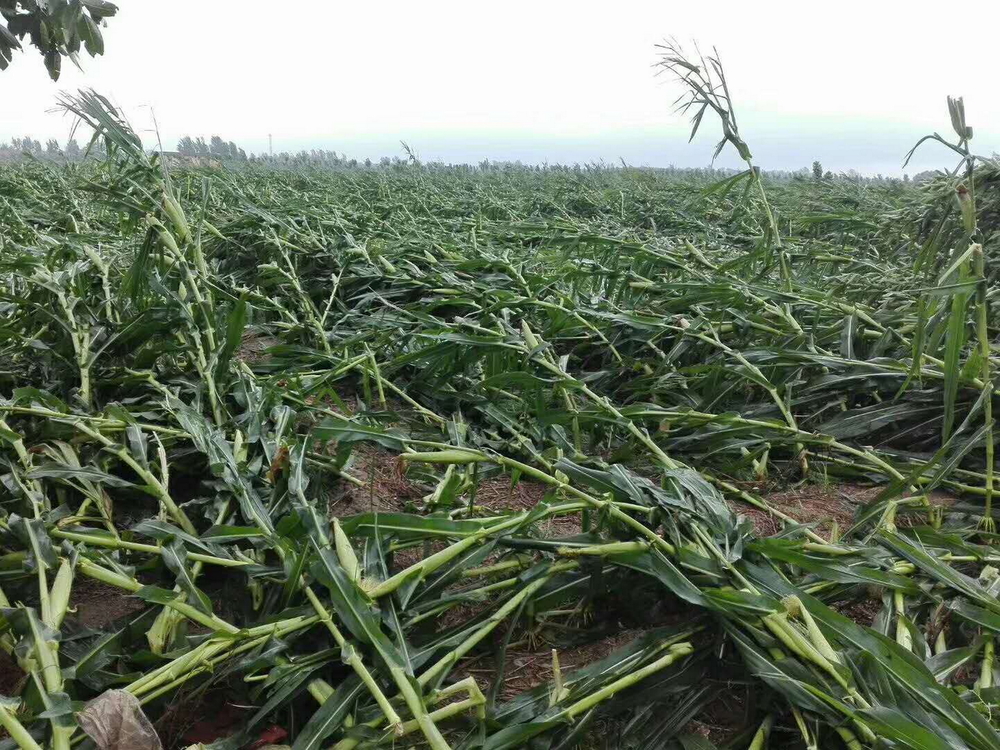
Threats of a major storm – strong winds, flooding, falling debris, and hail are every gardener’s worst nightmare. What could be worse than getting everything how you want it, just for mother nature to come in and wreck it. Mother nature is not going to change her game anytime soon, so creative solutions and thoughtful planning, are the only real defenses to these weather threats. Nets, tunnels, and mini green houses are options. Pots or buckets can be put over plants, upside down. A leaning barrier against a fence or building using heavy cardboard or a thin piece of wood may protect bordering plants. Plan ahead by watching how the water flows in your yard and garden. This will help you decide what is best to plant in each location. If you know certain areas get water logged, change the landscape to improve water flow, or incorporate water loving plants in those areas.

0 Comments