It’s all a fungus! Really?! I thought mold, mildew, and fungus were terms for different things, but they all equate to a fungus of some sort. Here are some of the common ones that are found in the garden.

Leaf Spot is caused by a fungus commonly referred to as, anthracnose, canker, or blight. Leaf spots are brown, tan, or black in color and lead to yellowing and browning of the plants leaves overtime. The fungus tends to spread in warm climates that are humid and moist. Leaf Spot can spread to other plants if not controlled with a form of fungicide. Remove any dead leaves from the area and spray the plants leaves with an organic fungicide that is copper or sulfur based to create an environment the fungus cannot grow in. Another type of leaf spot is caused by insects that spread pathogens and bacteria to the plants.
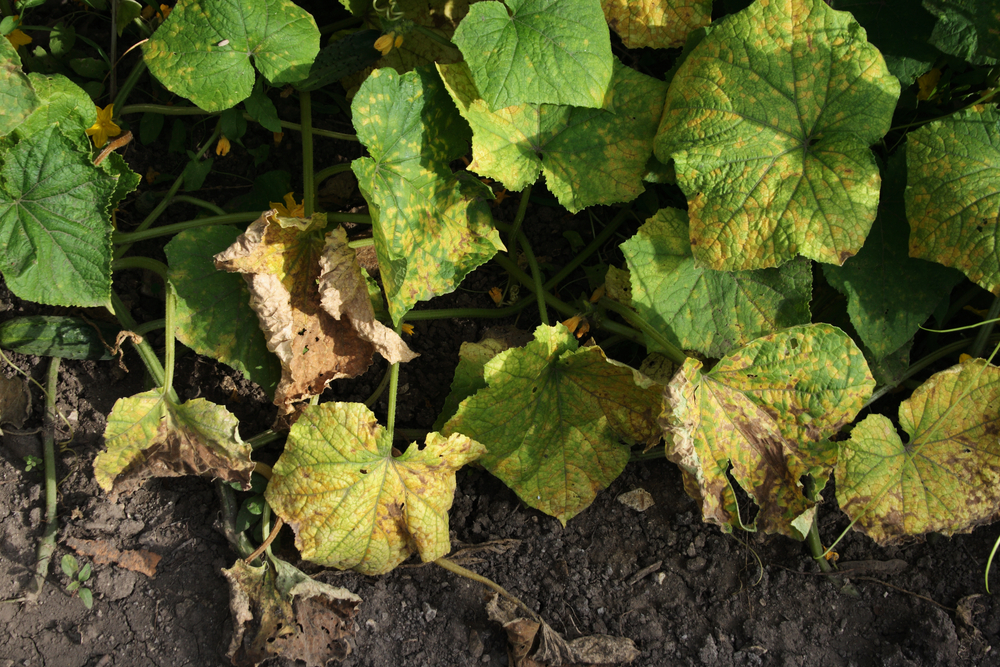
Powdery Mildew is usually caused by a type of Sphaerotheca fungus, that prefers warmth and dryness during the day, with lots of humidity and a chill in the air at night. It leaves a fine white powder on the leaves that eventually turns the foliage yellow and brown. It will not kill the plant but it won’t be nearly as pretty, can slow its growth process, and leave you lacking in the fruit department. There are a variety of natural ways to prevent and treat powdery mildew. A baking soda, dish soap, and water mix, is an easy preventative that most people already have the ingredients for. If this proves ineffective, a fungicide may be necessary.

Root/Stem Rot is often caused by the Phytophthora fungus and comes from the soil. High temperatures and very moist soil are typical environments it thrives in. Root stems and branches will start to show a brown discoloration and lower leaves on the branches will turn yellow, then brown, and wilt. Avoiding planting too early or too late in the season and choosing disease resistant plant varieties can help prevent root rot. To cure root rot, remove the affected plants from the soil and provide new soil with proper drainage. Remove any dead foliage and browned roots before replanting.
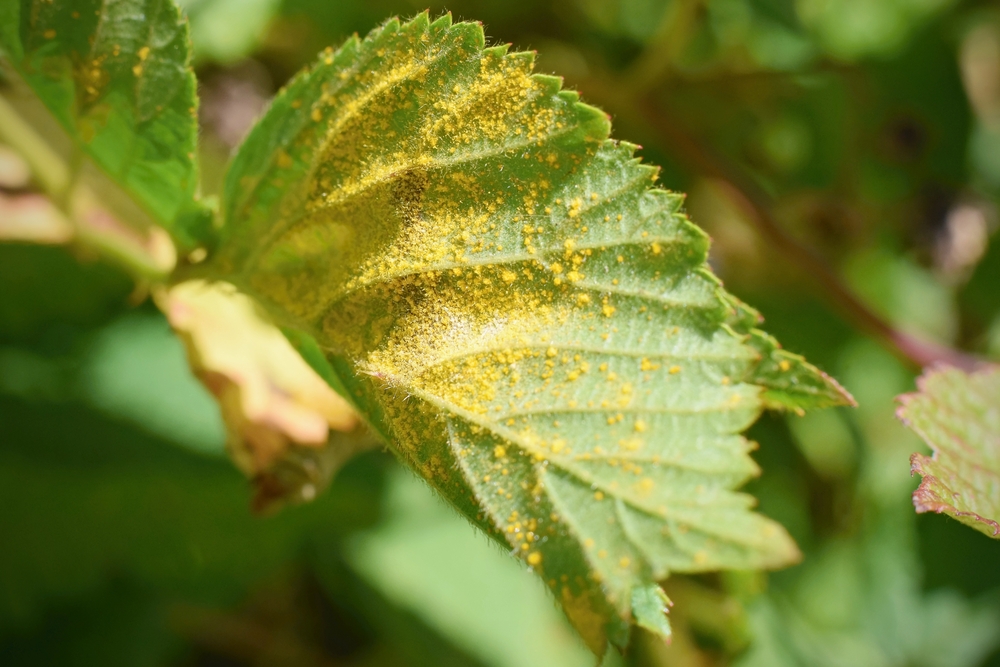
Rust is the fungus Phragmidium and transmits from plant to plant through spores. It won’t kill your plant but will leave it lacking in health. Its appearance is often similar to a metal rust color, but can also appear, yellow, white, or orange in color. Spores develop within the spots and transmit to other plants through the air. The best cure for this is prevention. Remove any infected plants and destroy them. Clean away any leftover debris in the area and water at the plants base in the future. Provide good air circulation. Sulfur fungicides can also help prevent the formation of rust if it is applied early.
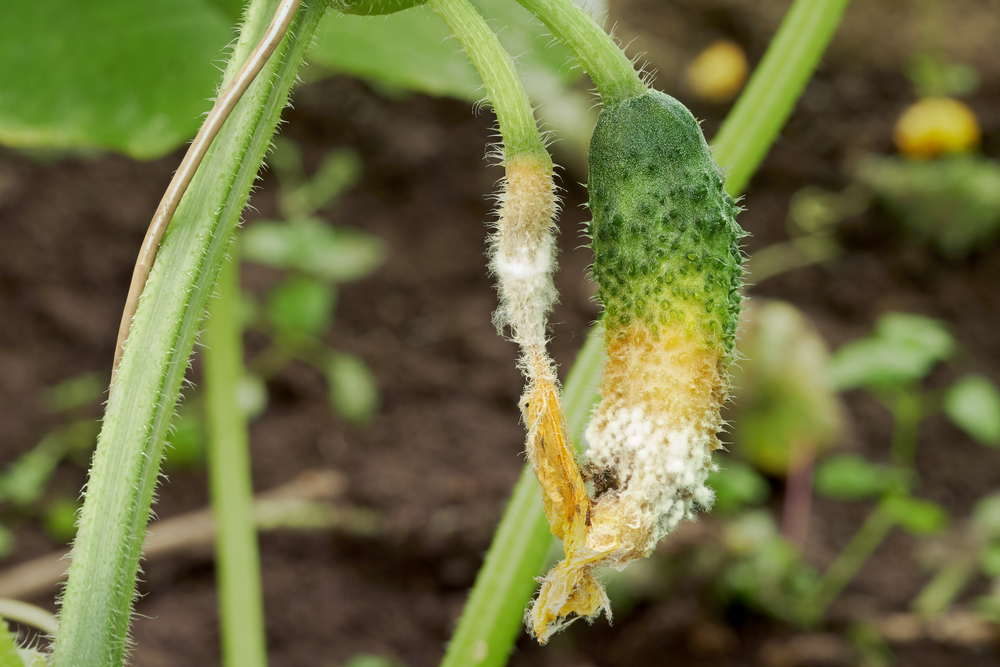
White Mold is caused by the fungus Sclerotinia and can lead to plant death if not prevented or treated immediately. It forms on the stems of the plant and spreads to others structures. It appears fluffy or hairy in texture and is usually white. Infected plant leaves will start to wilt and die over time as the fungus spreads. It is common in spring and fall when temperatures are cooler and there is more rain. The most effective treatment is prevention. Create an environment with good air circulation and give each plant enough room and space. Remove any heavily molded plants and the soil that contained them to prevent further spread to other plants. Sanitize all tools used and do not compost any of the plant debris.

0 Comments