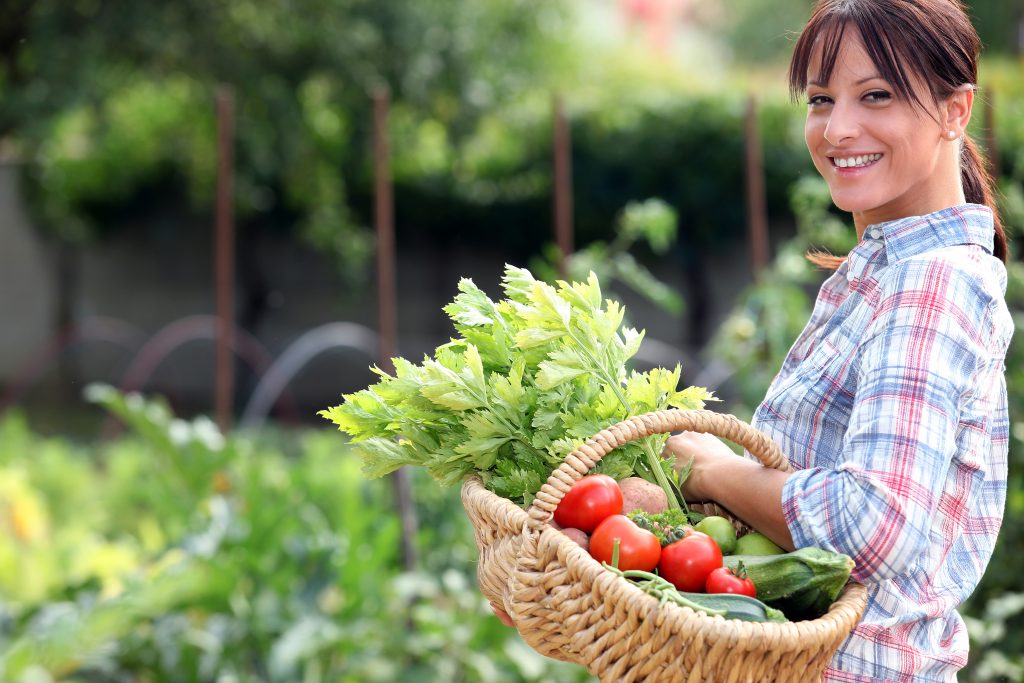
Starting your first fruit and vegetable garden does not have to be intimidating. You can start with one vegetable or fruit or you could plant many different things like I did. That’s the beauty of a home garden, it’s all yours and you run the show!
The first things to consider when planning a fruit vegetable garden is your location, growing zone, and weather habits. Location matters because certain plant species grow better in some locations more than others. Lighting is also impacted by location. Is your location full sun, part sun, part shade, or full shade? All those things make a difference to your plants. Weather conditions have a big impact on the success of your plants and should be considered too. If your location gets intense heat you may need to get some sunshades. If you get a lot of rain, other covers may be necessary. Rain and humidity create mold and fungus. You may need products to prevent this. If you are in the United States you can determine your USDA hardiness zone and find out information on its characteristics.
Next, you’ll want to consider your budget and what type of garden designs are affordable to you and your plans. There are lots of ideas and designs out there for vegetable gardening. Some are very basic while others can be extremely creative. More affordable designs tend to be somewhat basic. The more expensive designs are usually more complex, have more benefits, and are often made of higher quality materials. For example, container gardening in paint buckets will not cost nearly as much as raised garden beds. More open designs that fit into the natural environment will be more affordable than a planned in-ground row garden with a fence. Affordable does not mean better, it just means everyone can garden even if their budget is pretty tight. All garden designs are great and usually designed to suit the needs of the designer.
Once you have an idea of what designs you like, start planning what to put into your new garden. Do you want to start from seeds or starter plants? Depending on the season and your timing, it could be too late to start seeds or buy the plants you want. Seasonal Plant calendars are a great planning resource. I use this one from UGA for my home state Georgia, USA. For other states the Old Farmer’s Almanac is a helpful resource.
You will need to determine what your best options are depending on the plants you choose. I researched each plant I wanted to include in my garden and took notes about each. Then I designed my garden around my plants needs by grouping them as companions or separating them when necessary. Some plants grow better next to others, and some plants grow poorly next to others.
Now that you know what you want to plant, how you want to start your garden, and where you want to grow them, it is time to research which supplies you are going to need and use for your home garden. Containers, soil or compost, a type of mulch – pine straw, wood, pebbles, or peat moss, a grow light and warming mat, seeds, starter plants, fertilizers, insecticides, fungicides, trellis or stakes, nets, and garden tools are common things to put on a home garden list. Often times you can mark things off your list by asking friends or relatives what they have lying around, or you can find good deals on for sale by owner websites. Gardening really doesn’t have to cost a fortune if your creative about how you obtain the things you’ll need.
I would love to see or hear about what you create in the comments below. I also really enjoy interviewing home gardeners and seeing their designs. If you have a home garden and would like to be featured in one of my blog’s contact me! I am very interested in understanding what other people are doing in their home gardens and why they have chosen to do so. Good Luck everyone!

0 Comments