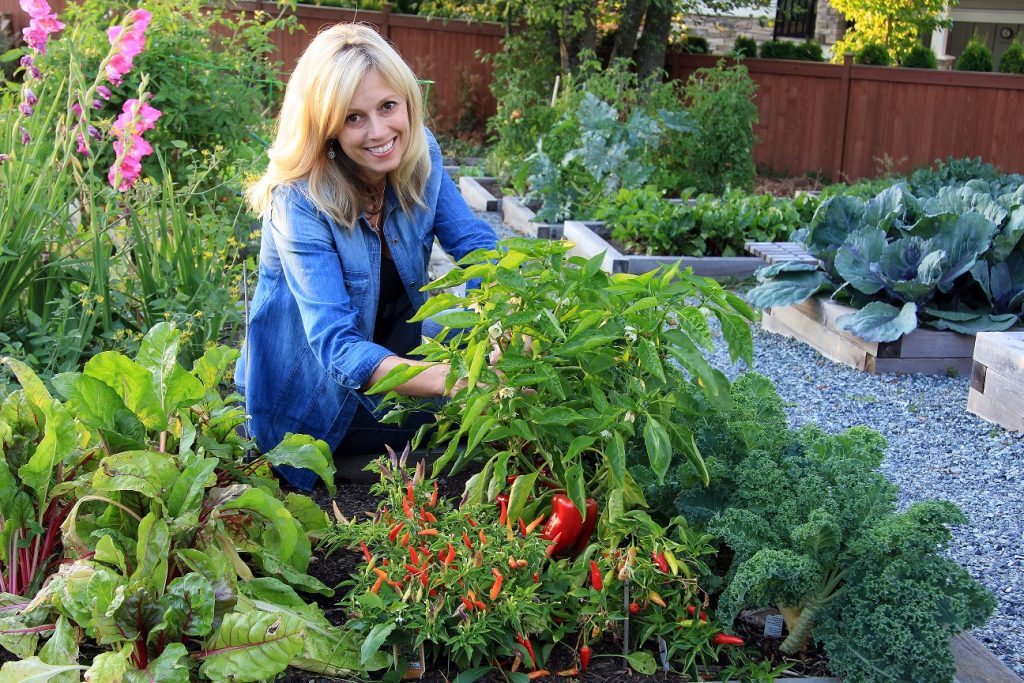
1. Gardening does not have to be so expensive it scares you away from even starting. There are lots of ways to save money on your design materials. Some people are making designs using inexpensive or free concrete blocks for their foundation, others are using pallets, stacked bricks, plastic storage bins, containers, paint buckets, and good old trash bags. Composting can save you money on soil costs and debris cleanup costs. There are lots of buy, sell, and trade groups for gardening online that can give you a place to find good deals from local gardeners. If you need to save money while you garden, there are many ways to do it. Once your garden is up and running it shouldn’t cost so much to maintain it. Which design you choose can impact your future costs, so consider them each carefully before you decide.
2. Vertical gardening is a more recent trend coming on the market. Multiple containers are stacked on top of each other. Each has water holes in them that drain water down into the bottom sections. Other types of vertical gardens are designed on an indoor/outdoor wall or fence. Some are designed on a leaning shelf. Hanging containers are yet another way to vertical garden. Vertical gardening is great for gardeners who need to save on space. They are especially beautiful on a patio or fence that gets sun.
3. Plan your design around your plant types. Before I started my garden, I researched which plants to put next to each other for optimal care and success. Understanding their size possibilities, growing seasons, watering needs, and growth rates are all important to know ahead of time.
4. Really get to know your garden space environment. What common pests do you see? What is the typical weather like during growing seasons? Is it a full sun, part sun, part shade, or full shade location? How does the water flow when it hits the garden? Is their optimal drainage in the area? These are some of the important questions to consider about your garden space before designing.
5. Design near a water source or create a watering system. You will need to water your garden regularly so remember to think about how you want to accomplish that and incorporate it into your design. You could put your garden near a hose, sprinkler, well, or other water source or you can design a self-watering system into the garden area directly. Many containers and pots are now designed to self-water to a degree.
6. Nets and Fencing. Most gardeners will find that the list of pests and wildlife attracted to their beautiful gardens is long and can be catastrophic to a crop. Consider building a 6 ft. fence or use garden netting to protect your garden from the battle. Critters can even find their way into the garden underground. If you know you have a lot of these kinds of pests you can bury fencing underneath the ground at least a foot to create a better barrier. Fencing is expensive so if you’re on a budget, nets are a good solution. Nets are available in many garden centers and stores online. They can be draped over the crops like a tent, you can buy or create tunnel poles to support the nets, they have bag like versions, or you can use some poles on each side of the garden to hang them.
7. Determine when to use a trellis, stake, or cage. Trellis designs vary and come in a variety of heights. Knowing how much a vining plant will grow is important to know when choosing one for your garden design. Some plants are more bushy growers and staking may or may not be necessary. Cages offer plants support all around. Often a trellis or a stake can be used, as is the case with cucumbers and tomatoes. The height and width of the trellis, stake, or cage is what is most important. I prefer trellis options over staking simply because it gives my plants more space and air to breath but some plants do better with staking, like pepper plants. Cages are great for plants that will not need to be moved as much, since the plants tend to twine in and out of them and it becomes impossible to untangle them.
8. Know your mulch options and how they will impact your plants health. Pine straw is great for blueberry bushes and tomato plants. Seedless hay is great for most vegetables. Sawdust is great for weed control and garden pathways. There are many mulch options for gardening that are organic and will breakdown into compost. Dried leaves and grass clippings are examples. Knowing which mulch to use in each section of your garden will lead to more success.
9. Consider planning for a composting area. Composting will give your garden soil the ability to reach its optimal health and will be beneficial for the environment because you will produce less waste for the land -fill. Choose a spot for your composting that is near a water source but somewhat out of the way of your garden area if possible. Close but not too close. Some people compost directly into their garden soil. That is always an option too. Worm composting is another popular method. However you choose to compost the benefits make it worth it.
10. Choose long lasting materials. Materials tend to wear out after long periods of time in the garden. Certain types of wood will rot or get moldy. Metals can rust from the rain. Choosing quality materials that will last for your garden design is key to its longevity. Cedar or compost wood may be your best bet for wood projects. Plastic, ceramic, or clay pots may be your best option for containers. Before adding any type of material into your garden consider how long it will likely last.

0 Comments