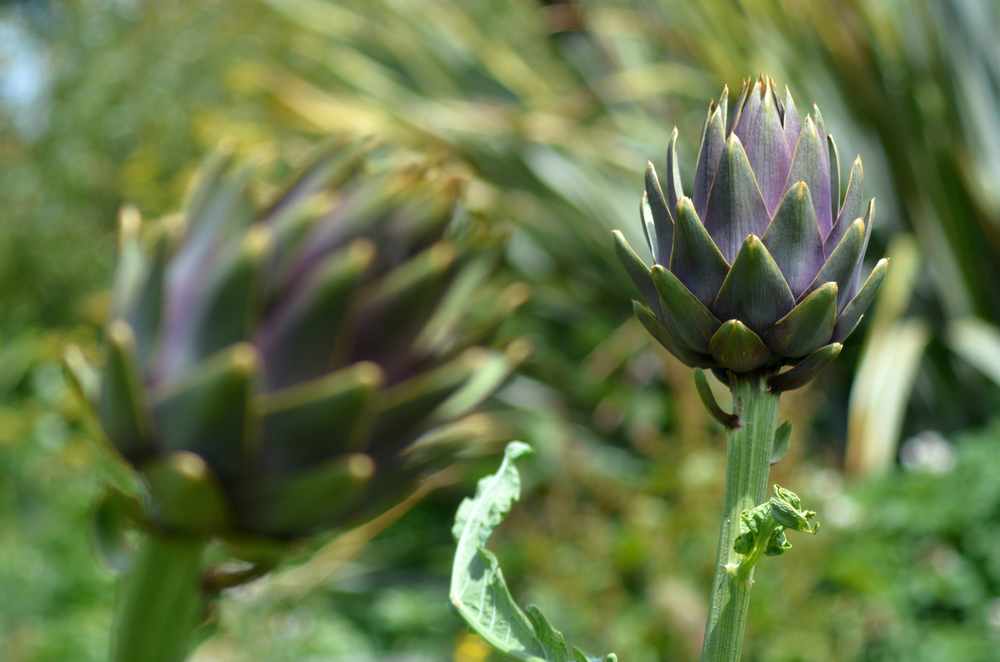
Artichokes are slightly more challenging than other vegetables to grow but are full of amazing benefits that make them worth it. They are native to the Mediterranean and are the buds of a large purple flower. These plants prefer mild winters and subtropical climates. Places like California, that are warm and tropical, provide an optimal growing environment for Artichokes. They are a great source of fiber, vitamin C, vitamin K, and antioxidants. Artichokes make a wonderful addition to many dishes in the kitchen!
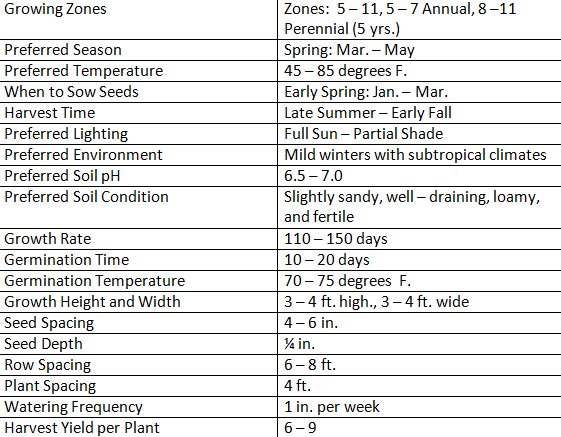
Artichokes plants need optimal time, lots of water, and room to grow. They are large plants and the flower buds take a lot of energy to form. When you transplant, add compost and fertilizer, to the top few inches of the soil. This will improve the soil condition. Soil that is sandy, loamy, and drains well, is best. Too much or too little water, will cause your plants to fail, so keep the soil moist not soggy. When transplanting, add compost and fertilizer to the top few inches of the soil to improve its condition. Fertilize regularly, for larger flower buds and healthier growth. Keep your growing areas weed free and mulch your plants with an organic material like straw. Water consistently and near the base of the plants.
Harvest when the flower buds are still tight and firm, and have grown to a size of 3 inches or more. Fully open buds are inedible but are beautiful to look at. Cut the stems under the bud about 2 – 3 inches down, to create a handle for the artichoke. Once all buds on a stem have been removed, cut the stem down to ground level. If you are harvesting in early summer, and your plant is strong and healthy, you can cut all your stems without buds down by a third, and you may get another harvest in fall. Artichokes taste best fresh from the garden, but can be stored in the refrigerator for a week or two, or pickled and canned for longer storage.
If you live in a climate where you can grow artichokes as a perennial, you can cut your plants back to the ground in fall, and cover with a thick layer of mulch or leaves to prepare them for the next season. If your plant is potted, move your containers to an area inside, so it will remain warmer with no threats of frost. Cut the plant down to the crown and water once a month until spring arrives.
Artichoke Curly Dwarf is caused by a virus and will severely stunt plant growth. Remove diseased plants and soil. Start fresh from seed.
Crown Rot leads to crown rot symptoms, stunted plant growth, wilting, browning, and dryness in leaves and stems. Crown rot is much less likely if you start from seed and it is rarely seen in annual plants.
Damping-Off occurs to new seedlings or transplants and results in sudden death. Its caused by wet, poor draining soil.
Gray Mold infects leaves and flower bracts with a gray bacterial mold. It is most likely in very wet conditions and is spread by insects.
Powdery Mildew is caused by spores transferring in the wind. It causes a white powdery film to develop of the plants leaves. Older leaves will yellow and turn brown. Treatment involves monitoring for severity and treating with a fungicide when necessary.
Leaf Spot creates little brown circular spots on plant leaves. When severe, the entire leaf will brown and die. Treat with a fungicide if severe.
Wilt causes wilting, browning of leaves, and stunted growth. Artichokes exhibit signs if they are not producing well, have dry buds, and collapse.
Armyworms create heavy feeding damage to the plants tissues and causes callous formations, limiting new plant growth. Organic treatments include Bacillus thuringiensis (Bt) and the Entrust Spinosad.
Artichoke Aphids causes leaves to curl and turn yellow. Bud stalks will weaken and buds will droop. Neem oil is a good preventative.
Flea Beetles like to feed on leaf undersides leaving tiny holes that are irregular in shape. This is really only a threat to new seedlings. Older plants only suffer cosmetic damage. Organic Insecticide treatments are only necessary for very severe cases.
Moths larvae will feed on any part of the plant and can cause damage and may bore into crowns under the soil. Steinernema carpocapsae soaks, and in-season sprays of Bacillus thuringiensis (Bt), or Entrust Spinosad, are all organic preventatives with good results.
Leaf Miners are a type of fly, and their larvae mine leaves for nutrients depriving the plant and reducing crop yield. Entrust formulation of spinosad is the best organic treatment.
Looper’s larvae create damage to leaves that looks skeletal. Older larvae may burrow in the plants structures. Use Bacillus thuringiensis (Bt), for prevention.
Spider Mites are hard to detect until infestation is rampant. The mites feed on leaves causing yellowing striping on the outer sides of the leaves. This eventually causes the entire leaf to yellow and brown, robbing the plant of nutrients. Reduce and eliminate reasons for plant stress and incorporating predatory mites are ways to control them.
Snails and Slugs feed on all parts of artichoke plants and create shot holes, injure buds, and damage tissues of the plant. Cutting back plants annually and using granular snail and slug bait treatments are somewhat effective at preventing these pests.
Weevil Larvae damage the roots of artichoke plants and the adults damage the leaves and buds. It spreads from infected root cuttings.
Whiteflies create sticky honeydew residue on leaves as they feed and this can cause mold to form. It can also stunt seedlings and transplants depriving them of nutrients. Neem oil is an effective preventative.

0 Comments