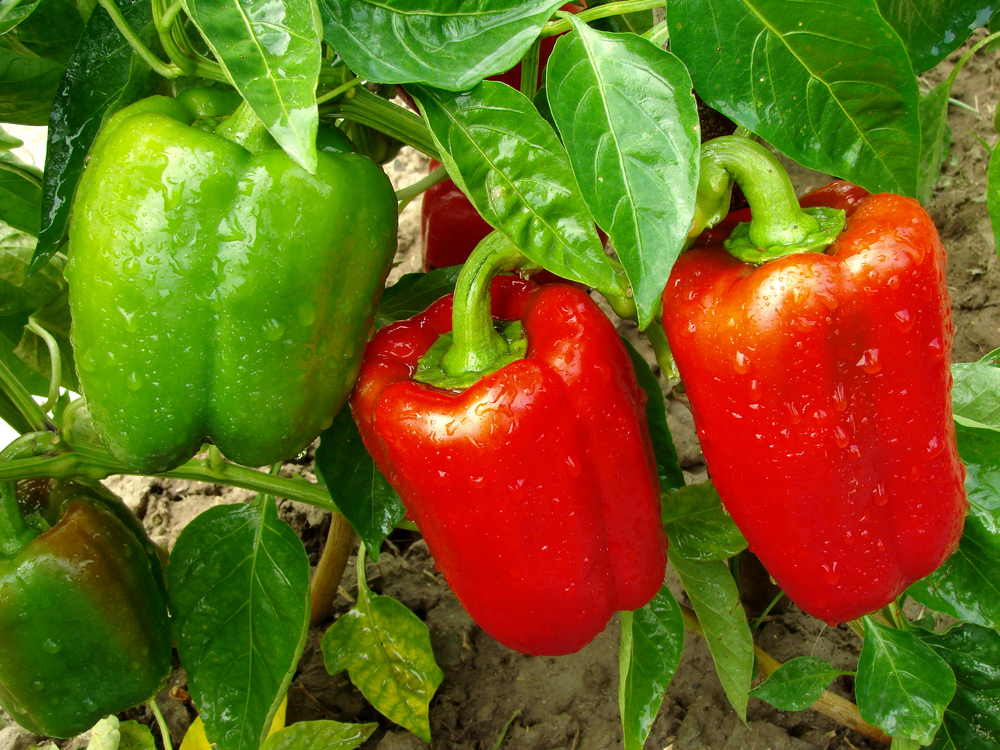
Bell peppers are sweet because they do not have capsaicin in them, like hot peppers do. They come in many colors like red, yellow, green, orange, purple, and white. They also come in a variety of sizes and shapes. They contain the nutrients, vitamins A and C, potassium, folic acid, and are high in fiber. Bell peppers taste great sliced on their own as a snack, as a topping for pizza or salads, or as an ingredient in casseroles and sauces. They take a bit longer to grow from seed, so start them indoors a little early in the spring.
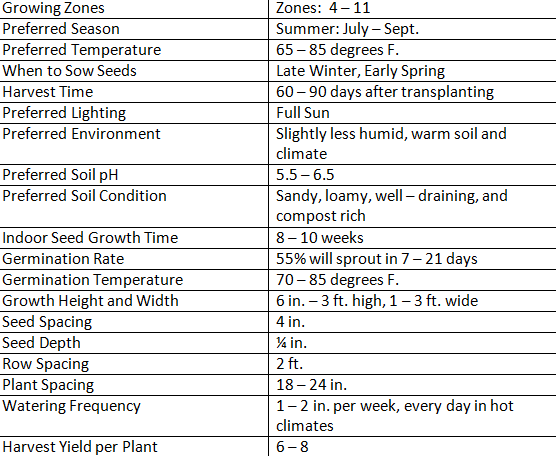
It is best to start tender pepper seedlings indoors in late winter – very early spring to give them enough time to become strong for transplantation. They will need at least two months to be ready, and need lots of love and care in that time. Sometimes pepper seeds can be stubborn starters so be patient. They can take up to three weeks to show any signs of life. Do not over water them during this time and keep them warm, possibly with a heating pad under your seed tray.
Once your seedlings are strong and about a half a foot tall, they are ready to be moved outside. Make sure to harden them off first, by providing periods of time outside, for a week or two before moving them outside permanently. While your plants harden off, fertilize and add compost to your soil to get it ready. Soil temperature needs to be at 65 degrees F. or higher, before you can transplant.
After you have your bell peppers established in the garden, water regularly and in hotter periods, water more often. Once you start to see fruits, fertilize again. A cage or staking system may be necessary for plant support. Bell pepper plants are sensitive to climate temperatures. Any temperatures under 60 degrees or over 90 degrees will shock the plants and impact the pollination process.
To over winter your bell pepper plant in hopes that it will survive and give you a bumper crop the next year, you can pot them and bring them indoors, trim off the dead leaves when they fall leaving the y shaped branches alone. Water monthly and let it get indirect light.
Harvest the bell peppers when they are large enough and the right color consistency. The longer the bell peppers remain on the plant, the sweeter and more nutritious they become, so patience is key. Cut the peppers off with scissors or a knife to avoid plant damage from tearing or pulling.
Store your bell peppers in the refrigerator for up to ten days. They can be dried in the oven if cut into slices, steamed for ten minutes, and then baked in the oven at the lowest possible temperature until they reach the desired dryness and texture. These can be stored in storage containers or bags in your pantry.
Anthracnose thrives in wet humid conditions. This fungus creates yellow or brown spots on leaves, that become irregular and get darker over time. It can also cause these spots on fruits and the plants will eventually die from the fungal disease. A copper based fungicide may work but should be used sparingly. Diseased plants should be removed, water at the base of plants and not overhead, buy disease resistant varieties, and rotate crops every few years.
Blossom End Rot is caused from nutrient deficiencies, specifically a lack of calcium. This can occur if watering is in consistent, soil pH is off or over saturated with salt, or when there is root damage. If it is only slightly damaged, you can still eat the tomato by cutting off any bad looking portions. Watering regularly and consistently, is the most effective solution. Use mulch if necessary to keep moisture in and stake your plants to give them proper support and better air circulation.
Mosaic Virus is usually spread by aphids and causes leaves to have yellow, white, or pale streaking, creating a molted look. It leads to deformities and misshaped fruit production. This virus is non curable. Once it infects a plant, that plant should be removed and disposed of. It should not be put in compost. Keep your garden weed free and consider row covers or netting, to prevent these insects from taking over your plants.
Aphid nymphs and adults like to suck on plant juices, attack plant leaves, stems, buds, flowers, fruits, and the roots of many vegetable plants, including bell peppers. To find them look for misshaped, curling, or yellowing leaves. Look for tiny eggs on the undersides of leaves. They can be one of many colors, such as, white, tan, red, yellow, brown, or black. They are tiny and usually cover large portions of the leaves and stems. To prevent them, you can plant companion plants such as herbs that may deter or distract them. You can try and knock them off by spraying the plants thoroughly with water. Neem oil, insect soaps, cayenne pepper spray, a dusting of flour, and Diatomaceous Earth are all effective against aphids.
Flea Beetles are tiny beetles that create sporadic leaf holes. They can spread diseases like wilt and blight. To treat for flea beetles, you can use insecticidal soap, an early season insecticide, talcum powder, or sticky traps. All these options will reduce their numbers and damage.
Root – Knot Nematodes make roots appear knotted up and causes the plant to look weak and unhealthy. Destroy plants that are infected and solarize the soil by placing it in the sun for a few days. Add fresh compost and crop rotate, to prevent.
Hornworms will rapidly eat your plant leaves, leaving you nothing but shriveled brown leaves and stems. Remove them as you find them and dispose of them. Companion plant with other plants, such as marigolds, that will attract them. Use Bacillus thuringiensis (Bt) if they are persistent.

0 Comments