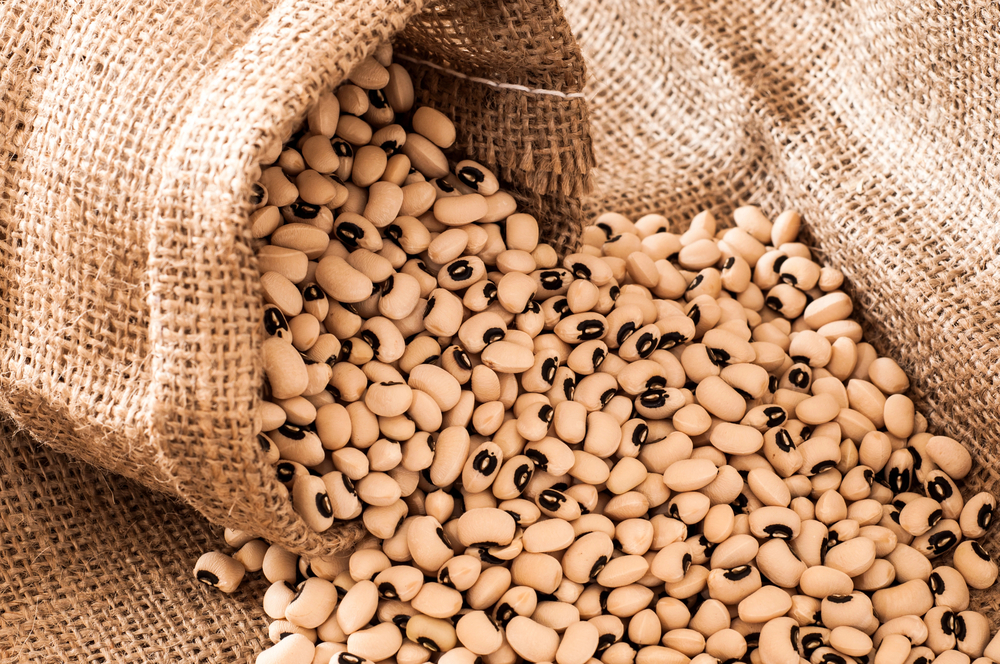
Black Eyed Peas can be grown as either a vine or a bush. Both types can be grown in the ground, in raised beds, or in containers. Vining black eyed peas will require a trellis or extra support. Black eyed peas are a fun addition to the garden because they produce consistently if planted in succession, produce fast, and are beautiful plants that add nutrition to the soil. Black eyed peas are great for your diet, because they are high in a variety of vitamins and minerals, and very low in calories.
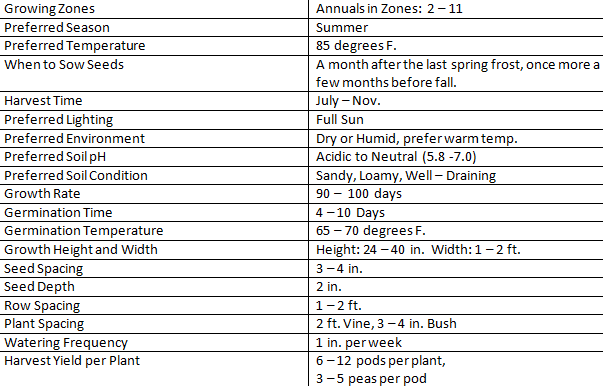
In Spring , after the threat of frost has past, directly sow your black eyed peas into soil that is at least 60 degrees F. Provide your plants with sandy, loamy, well draining soil that gets lot of direct sun. Plant bush varieties 3 – 4 in. apart and vine varieties 1 -2 ft. apart. Plant seeds around 2 in. deep. Water thoroughly. Provide vines with a trellis for support. Black eyed peas are easy plants to care for since they are heat and drought tolerant. Watering once a week should be optimal.
Around 20 -25 days after the seeds sprout, smaller tender leaves can be harvested for consumption. They are delicious steamed, fried, or as a fresh salad addition. Larger leaves are not as tender.
Around 70 days in the black eyed peas will be in their green tender stage. Pods will be tender and still green, with a strong earthy flavor. Peas are difficult to separate from the pods and are considered more of a snap pea.
Around 80 -100 days in they will get to the shelling stage. The pods will turn a yellow color with mature plump peas inside the pods. They are now ideal for shelling and cooking.
You can harvest dried peas to save. Wait until they are ready, a bit longer than the 100 days for maturity. The pods will turn tan and feel rougher. Shell the peas and place them in a single layer in a dry cool location for 3 -5 days until they are completely dry. They should now be ready for longer term storage.
Powdery Mildew causes a white, powdery growth to form on the plant leaves and can lead to discoloration and lower harvest yields. It is managed best with fungicide, applied regularly.
Aphid nymphs and adults like to suck on plant juices, attack plant leaves, stems, buds, flowers, fruits, and the roots of many vegetable plants, including black eyed peas. To find them look for misshaped, curling, or yellowing leaves. Look for tiny eggs on the undersides of leaves. They can be one of many colors, such as, white, tan, red, yellow, brown, or black. They are tiny and usually cover large portions of the leaves and stems. To prevent them, you can plant companion plants such as herbs that may deter or distract them. You can try and knock them off by spraying the plants thoroughly with water. Neem oil, insect soaps, cayenne pepper spray, a dusting of flour, and Diatomaceous Earth are all effective against aphids.
Beetles come in different types. Besides causing damage to your plants beetles can also spread diseases. To prevent them, use sticky traps, hand pick, create traps for them, companion plant with plants that deter them, or try row covers.
Root Knot Nematodes is a common problem with black eyed peas, If plants look wilted and genuinely unhealthy, pull up one plant and check for root knots. Remove all diseased plants form the garden. Remove any soil in the affected area. Replace plants with black eyed pea varieties that are resistant to Root knot, Mississippi Purple, Mississippi Silver, Clemson Purple, and Colossus are a few options.

0 Comments