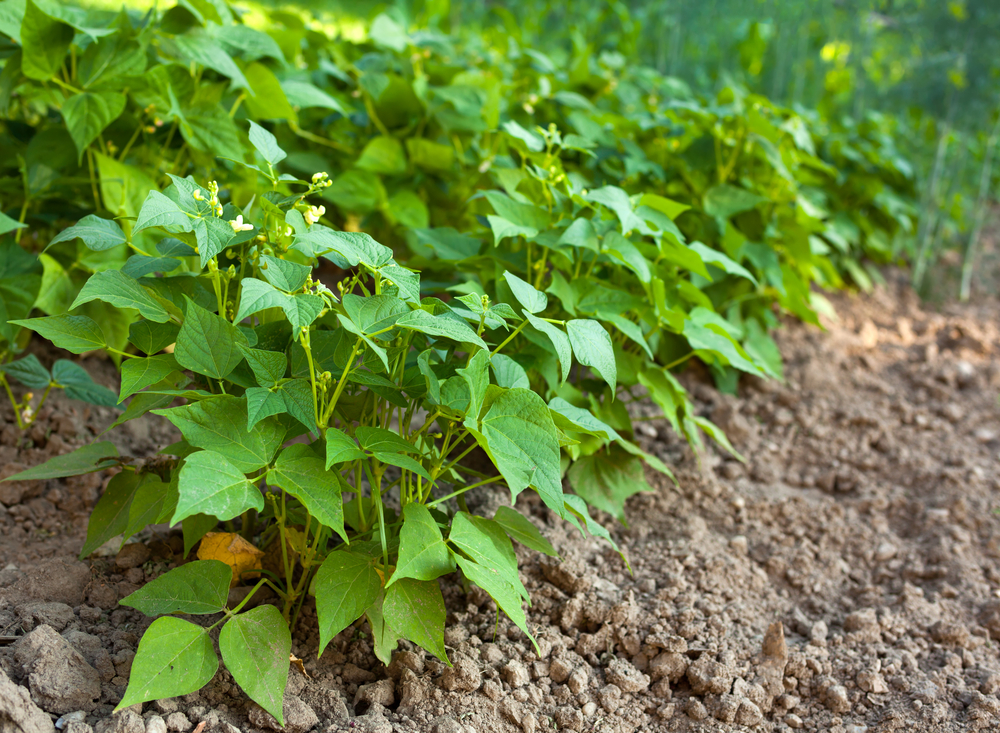
Broad Beans (Fava) are an excellent addition to the garden because they are naturals at adding nitrogen back into the soil. They will also provide your garden with a beautiful burst of color from their flowers. They can be grown in the ground for larger quantities or in containers for smaller quantities. Their pods are not edible, unless immature, so this is more of a shelling type bean. The beans are often called, Fava beans, and are enjoyed in many cultures around the world.
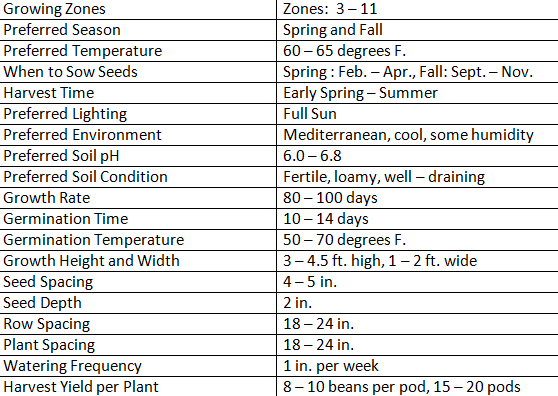
Plant your broad bean seeds in early to late spring for a crop throughout most of the summer. Plant broad bean seeds in the fall to overwinter and provide a fresh spring crop much earlier in the season. Broad beans planted in the fall, can take up to 240 days to mature, which is much longer than when spring planted. Sow your seeds deep in rich soil that is well composted. If you have clay or harder soil, it may be best to start in pots and transplant when they are stronger. The only soil conditions broad beans don’t like are, soggy or completely dry.
Water your broad beans every few days insuring the soil never dries out and stays moist but not soggy. Keep your rows weed free if in ground gardening. Broad beans can be top heavy and will likely need some kind of support. Pinch out the first tips as flowers grow to encourage more production.
Harvest when pods are still small and immature, to cook the pods and beans as one. Harvesting for shelling, occurs when the pods are longer, filled up, and contain many soft beans. Bean edges should be green or white in color for optimal flavor.
If you have planted in the fall your broad beans should overwinter just fine in any temperature over 15 degrees F.. If temperatures are expected to be lower or weather forecasts expect high winds or snow, you may need to cover your plants with fleece or another warming material to protect them from the harsh conditions. In spring, your broad beans should perk right back up and finish early, giving you a nice early season crop!
Broad Bean Rust creates little tiny, raised, reddish colored, bumps to appear on your broad bean leaves and is often introduced from infected seeds. If caught early, fungicides or milk treatments can help prevent and stop it. Do not use any seeds from those plants for replanting.
Chocolate Spot creates small reddish brown spots on leaves and stems. It is a fungal disease and can cause foliage to die off. It is common in high humidity. Create good air circulation for your plants and apply a foliage fungicide regularly throughout the season.
Aphid Nymphs and adults like to suck on plant juices, attack plant leaves, stems, buds, flowers, fruits, and the roots of many vegetable plants, including broad beans. To find them, look for misshaped, curling, or yellowing leaves. Look for tiny eggs on the undersides of leaves. They can be one of many colors, such as, white, tan, red, yellow, brown, or black. They are tiny and usually cover large portions of the leaves and stems. To prevent them, you can plant companion plants such as herbs that may deter or distract them. You can try and knock them off by spraying the plants thoroughly with water. Neem oil, insect soaps, cayenne pepper spray, a dusting of flour, and Diatomaceous Earth are all effective against aphids.
Leaf Miners leave white trails all over plant leaves, and lay eggs on the leaves causing reduced production. Only use insecticides if infestation is heavy. Remove any leaves with eggs and spray plants with an organic insecticide if necessary.
Bean Beetles are similar in appearance to lady bugs when adults. They look like tiny grubs with yellow spikes, as young adults. Their eggs are bright yellow. Beetles like to feed on plants and stems giving the plants a lacy look and slowly damaging them to the point of death. Handpick these insects off the broad bean plants when seen. Remove any foliage with eggs or heavy damage, and spray with an organic insecticide if the infestation is heavy.
Root – Knot Nematodes make roots appear knotted up and causes the plant to look weak and unhealthy. Destroy plants that are infected and solarize the soil by placing it in the sun for a few days. Add fresh compost and crop rotate, to prevent.

0 Comments