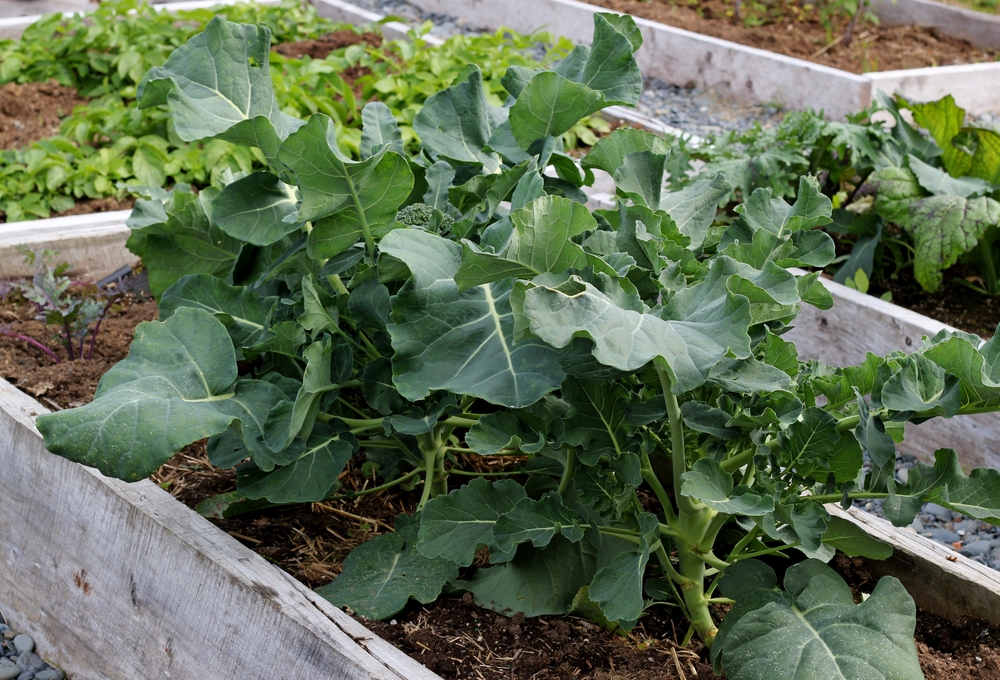
Broccoli is a cool season crop and is extremely rich in vitamins and nutrients like, vitamin A, potassium, folic acid, fiber, and iron. I had no idea, but once you harvest your first head of broccoli, it will keep producing smaller side heads for you to enjoy at a later date. That’s neat! Growing broccoli in the garden is such a fun and rewarding experience. The plants are really bold and beautiful. They can be grown in ground, in raised beds, or in containers, so they can be grown in most garden designs.
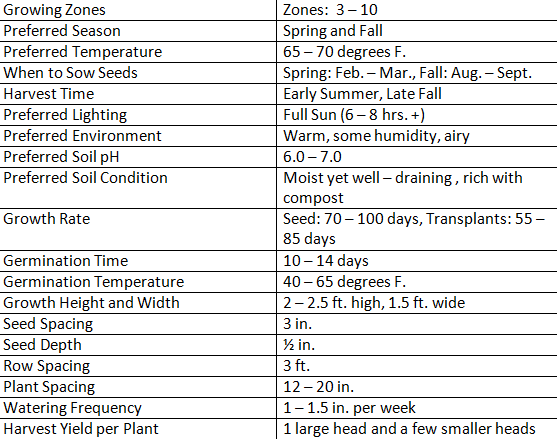
Plant your broccoli very early in spring, or mid-late summer for a fall crop. In spring, plant indoors up to two months before the last expected frost, or outdoors about a month before. In fall, plant seeds outdoors, since soil temperatures are much warmer, and it will be easy for them to germinate.
Amend the soil before transplanting seeds or planting outdoors, to ensure your soil is rich, fertile, and slightly acidic. Fertilize about a month after transplanting, with a low nitrogen fertilizer. Water regularly and consistently, without getting the heads wet. Wet heads encourages rotting. Mulch, to keep moisture in and temperatures low, in the soil. Covers or netting will do a lot to prevent unwanted pests from getting to your broccoli before you do.
Harvest when the soil is cold; early in the morning is best. It gives the broccoli the best flavor and texture. Cut with a knife or sharp scissors leaving about 2 – 3 inches of the stem intact. Side branches will sprout from this main head and will provide more smaller heads.
Clubroot causes the broccoli’s roots to become mangled and misshapen. It is a fungal disease that causes the plants to quickly wilt and die. Remove any infected plants. Sterilize the soil and raise the pH to 7.2, to prevent the fungus from spreading to the other broccoli plants nearby.
Downy Mildew is caused from wet humid conditions. Overhead watering is also a cause. To prevent, water at the base of the plants, provide good air circulation and keep leaves as dry as possible. 1 part milk to 10 part water mix can help if it’s already started. Fungicides can help prevent it.
Nitrogen Deficiency occurs when the soil pH is off or the plant is not getting the nutrient uptake it needs from the soil. Yellowing leaves are a common sign of nitrogen deficiency. Blood meal or a high nitrogen fertilizer feeding will help correct the issue.
Aphid nymphs and adults like to suck on plant juices, attack plant leaves, stems, buds, flowers, fruits, and the roots of many vegetable plants. To find them, look for misshaped, curling, or yellowing leaves. Look for tiny eggs on the undersides of leaves. They can be one of many colors, such as, white, tan, red, yellow, brown, or black. They are tiny and usually cover large portions of the leaves and stems. To prevent them, you can plant companion plants such as herbs that may deter or distract them. You can try and knock them off by spraying the plants thoroughly with water. Neem oil, insect soaps, cayenne pepper spray, a dusting of flour, and Diatomaceous Earth are all effective against aphids.
Cabbage Loopers are small green caterpillars that feed on plants at night. If minor, handpick them off the plants leaves and stems. If consistently a problem, use Bacillus thuringiensis to treat for them. It is a natural pesticide that specifically targets a variety of caterpillars.
Cabbage Root Maggots feed heavily on roots and clump together in groups. They are small, white, legless maggots. It is the baby of a cabbage fly. Cabbage flies emerge in spring and lay eggs near the base of plant stems. Larvae hatch and burrow into the soil to feed on roots. After feeding, they mature into the pupae stage and turn a brownish red color. Soon cabbage root fly adults will emerge. Without treatment the plant will die. If and when you find eggs remove and destroy them. Check roots for maggots and remove with a heavy rinse of water before replanting in fresh soil. Sticky traps, predatory nematodes or wasps, can also be effective preventatives.
Cabbage Worms become small white butterflies. They are very small little caterpillars with a yellow stripe and often lay eggs on your plants. They create heavy feeding damage on leaves in the form of irregular holes and can leave a stem leafless. Sticky traps and regular treatments of Bacillus thuringiensis (Bt), are effective preventatives.
White Flies are tiny and white and love to lay eggs on your plants leaf undersides. They are very similar to aphids. They are very common in house plants, and in conditions that are hot and humid. They feed on plants and release the same kind of honeydew as aphids. The plant suffers and it can cause leaves to yellow and die off. Spray infected plants with a strong dose of water to knock off the loose ones and then insecticidal soap to kill the rest. It’s very hard to get rid of white flies permanently, so most gardeners focus on prevention.

0 Comments