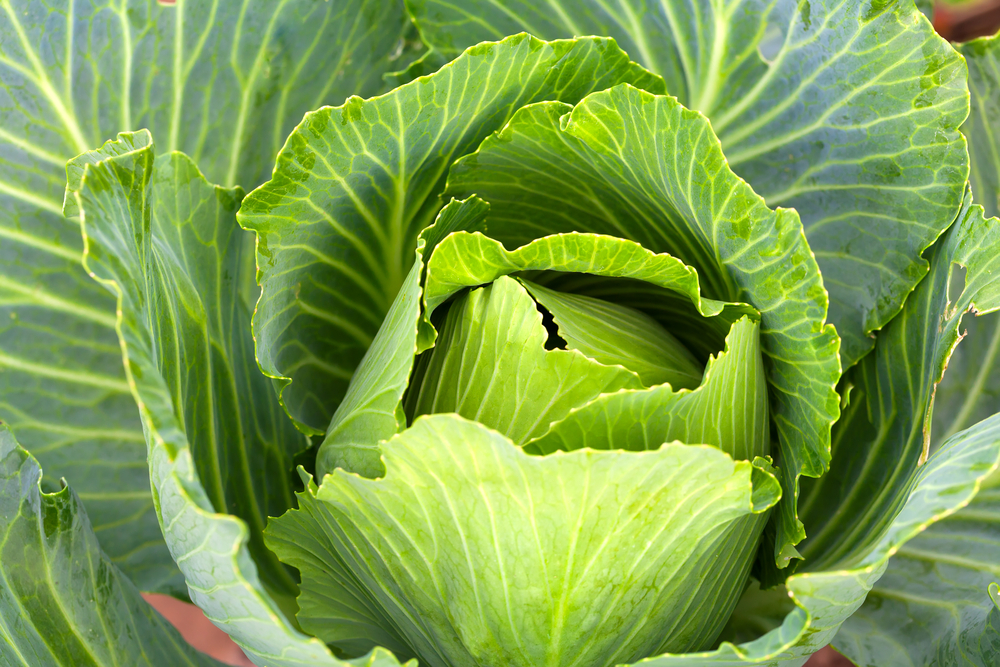
Cabbage is more challenging to grow because it is tasty to pests and prefers a specific environment. If you are up for a little challenge, it is defiantly worth a go at it. Row covers and insect nets are great for protecting these beauties. I have used clear plastic storage bins as covers with great success! This provides a tiny greenhouse effect and protects them from harsher weather conditions. Cabbage is full of vitamins and minerals, such as, vitamins A and K, potassium, fiber, folate, and magnesium. Cabbage is a hearty plant and is very versatile in the kitchen. In my family, we love it fried with bacon. It’s also wonderful boiled with spices, sautéed in oil or butter, or served raw as Cole Slaw or in salads. In the garden, the plants are bright green, have a beautiful flowering leaf shape when forming heads, and add lushness.
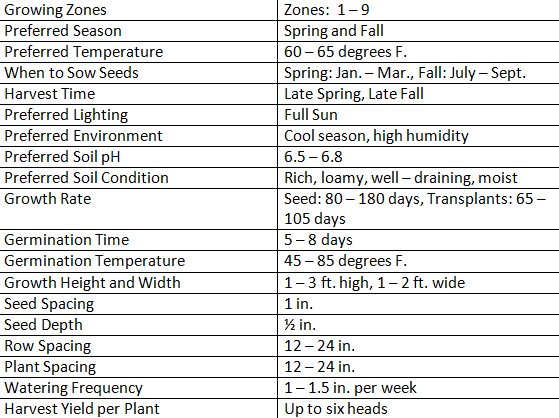
Cabbage is always thirsty! Provide your soil with compost or manure and ensure it is well-draining. Start seeds indoors, two months before the last spring frost. Harden off your seeding’s before transplanting for a week or two. This simply means putting them outdoors for a few hours each day and increasing that time amount until you put them outside for good. This gets them used to the difference in environment. The more space you provide your cabbage to grow, the larger it will become in size. Plant them 1.5 – 2 feet apart. Fall plantings can be seeded outdoors closer to the end of summer.
Water your cabbage often, even when it rains periodically. Provide mulch to retain moisture in the soil and keep them warmer at night. Fertilize with a nitrogen high fertilizer when transplanting and after about a month. This helps them produce those lush healthy leaves. Provide good air circulation. Cover your cabbages with row covers or insect nets to provide protection, especially at night.
Harvest when the cabbage heads are large enough and firm. Don’t wait too long or they will split like tomatoes do. Cut each cabbage head at its base with a sharp knife, keeping some of the green leaves, and removing any yellow ones. Move the heads to a shaded place or indoors. Remove all plant parts left over from the garden area after harvesting or leave the outer leaves and roots to produce a second smaller crop.
You can store cabbage in the fridge for up to two weeks or in a root cellar for up to three months. Cabbage roots can be stored indoors overwinter. Then they can be replanted in spring for a smaller late spring crop. Later in the summer, cabbage will start to produce seeds.
Clubroot causes roots to become mangled and misshapen. It is a fungal disease that causes the plants to quickly wilt and die. Remove any infected plants. Sterilize the soil and raise the pH to 7.2 to prevent the fungus from spreading to the other plants nearby.
Downy Mildew is caused from wet humid conditions. Overhead watering is also a cause. To prevent, water at the base of the plants, provide good air circulation, and keep leaves as dry as possible. A spray made from a 1 part milk to 10 part water mixture, can help if it’s already forming. Fungicides can help prevent it.
Aphid nymphs and adults like to suck on plant juices, attack plant leaves, stems, buds, flowers, fruits, and the roots of many vegetable plants, including cabbage. To find them, look for misshaped, curling, or yellowing leaves. Look for tiny eggs on the undersides of leaves. They can be one of many colors, such as, white, tan, red, yellow, brown, or black. They are tiny and usually cover large portions of the leaves and stems. To prevent them, you can plant companion plants, such as, herbs that may deter or distract them. You can try and knock them off by spraying the plants thoroughly with water. Neem oil, insect soaps, cayenne pepper spray, a dusting of flour, and Diatomaceous Earth are all effective against aphids.
Cabbage Loopers are small green caterpillars that feed on plants at night. If minor, handpick them off the plants leaves and stems. If consistently a problem, use Bacillus thuringiensis (Bt) to treat for them. It is a natural pesticide that specifically targets a variety of caterpillars.
Cabbage Root Maggots feed heavily on roots and clump together in groups. They are small, white, legless maggots. It is the baby of a cabbage fly. Cabbage flies emerge in spring and lay eggs near the base of plant stems. Larvae hatch and burrow into the soil to feed on roots. After feeding, they mature into the pupae stage and turn a brownish red color. Soon cabbage root fly adults will emerge. Without treatment the plant will die. If and when you find eggs remove and destroy them. Check roots for maggots and remove with a heavy rinse of water before replanting in fresh soil. Sticky traps, predatory nematodes or wasps, can be effective preventatives.
Cabbage Worms become small white butterflies. They are very small little caterpillars with a yellow stripe and often lay eggs on your plants. They create heavy feeding damage on leaves in the form of irregular holes and can leave a stem leafless. Sticky traps and regular treatments of Bacillus thuringiensis (Bt), are effective preventatives.
Cutworms cut stems of plants off at their base and they love a new transplant. Coffee grounds, egg shells, and diatomaceous earth are helpful when spread around plant bases and stems. Bacillus thuringiensis (Bt) or another natural insecticide can be used in extreme cases. You can also hand pick them at night every few days to lower their numbers.
Flea Beetles are tiny beetles that create sporadic holes in leaves. They can spread diseases like wilt and blight. To treat for flea beetles, you can use insecticidal soap, an early season insecticide, talcum powder, or sticky traps. All these options will reduce their numbers and damage.
Stink Bugs will lay silver eggs on the undersides of leaves. The nymphs are tiny, red, with black lines on their back. They will feed on most vegetable plants and the adults, which are either green or brown, will hide within plant foliage. They will pierce and suck on stems and fruit, and some can spread disease this way. To prevent them, till overwinter and keep the area debris free. Handpick as you see them, set out soapy water traps, keep an eye out for eggs, use covers to protect your plants from insects, and treat any nymphs with insect soap or neem oil (not effective on adults).
Thrips are tiny thin flying insects that like to suck and feed on plants and lay eggs on leaves. It is possible for them to spread viruses so it is important to look out for them. A few treatments of insecticidal soap can stop smaller infestations. Keeping plants covered with insect nets and sticky traps are helpful with prevention.

0 Comments