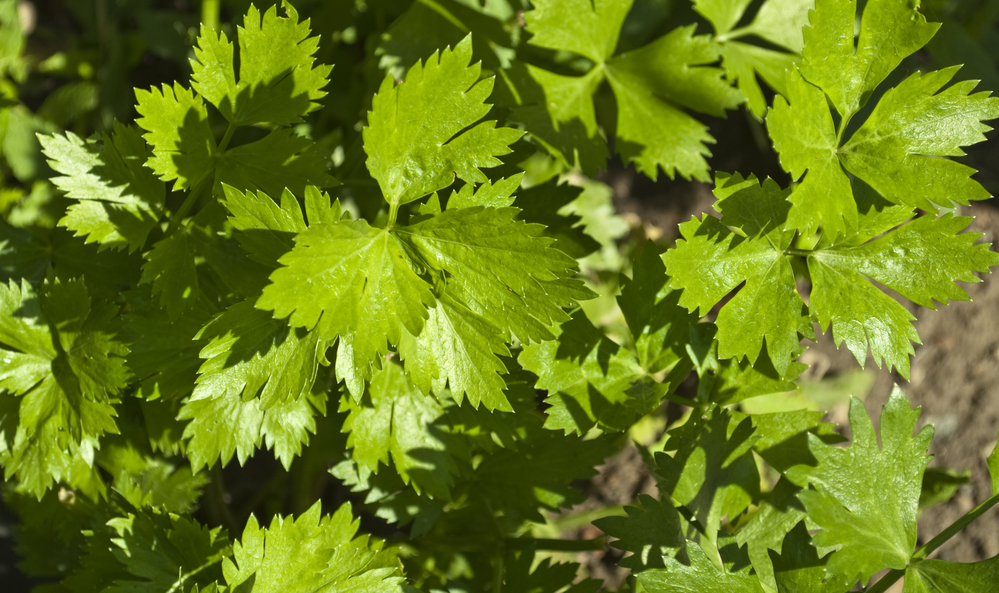
CELERY grown at home has a better taste and is healthier since you have more control of what it absorbs as it grows! Celery is a great choice for a home garden and pairs nicely with carrots and herbs in the spring and fall. It has lovely herb like foliage that gives the garden a nice burst of green color. Celery takes a long time to grow so be patient with this vegetable! Celery contains nutrients like vitamins A, C, and K, potassium, folate, a bit of protein, and fiber. Celery tastes wonderful juiced, roasted with carrots, in soups, in salads, in casseroles, in broths, and sautéed with other vegetables. Enjoy!
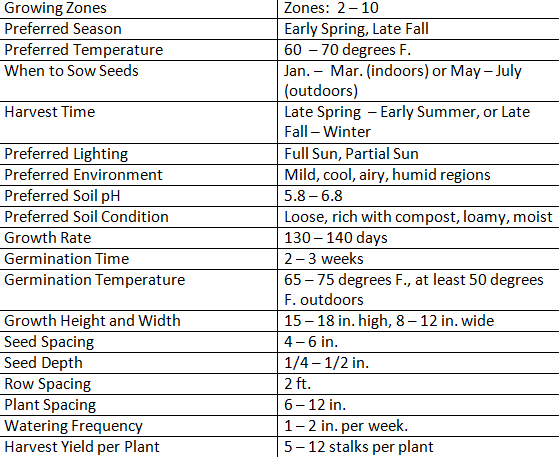
Start your celery seeds indoors. They are tender growers. For a spring crop, start them three months before the first expected frost. For fall, start the seeds five months (Late Fall/Winter) before the expected first frost to give them time to grow. Soaking your seeds overnight in water before planting, and covering the seed tray or pots with cellophane, will help them to germinate. Once seeds start to sprout, remove the cellophane, and add a grow light about 3 inches above them that is set for 16 hours a day. Move the light back a few inches when the seedlings grow larger. Mist with water often.
When the seedlings reach a few inches tall, they can be transplanted outside, as long as, there is no risk of frost and temperatures have reached 50 degrees F. Harden off the transplants for the first week, by moving them outdoors for a few hours each day, before moving them outdoors permanently. Use compost or fertilizer when transplanting to enrich the soil with nutrients. Water the transplants thoroughly after placement. Celery needs lots of water to grow properly, so water often, and consistently. Provide mulch to retain moisture and keep weeds out of the area. Use stalks that are tied together, if necessary, to provide support.
Harvest celery from summer through fall. In mild locations, celery can overwinter, producing occasionally throughout, and then it will perk back up again in the spring, before flowering to produce seeds. You can cut the plant down whole to harvest or harvest by cutting outside stems to get a longer harvest round. An 8 in. height is about the right size to start harvesting. If stems look thin and floppy, water more often. Harvest all stems before frosts hit.
Downy Mildew is caused from wet humid conditions. Overhead watering is also a cause. To prevent, water at the base of the plants, provide good air circulation, and keep leaves as dry as possible. A spray made of 1 part milk to 10 part water can help if it’s already started. Fungicides can help prevent it.
Blight causes small spots to form on the leaves that is usually round or circular with halos and a rust color. Stems become brown or have streaks. Prevention usually involves the use of a copper based spray, ample spacing between plants, and planting disease resistant varieties.
Powdery Mildew causes a white, powdery growth to form on the plant leaves and can lead to discoloration and lower harvest yields. It is managed best with fungicide, applied regularly.
Flea Beetles are tiny beetles that create sporadic holes in the leaves. They can spread diseases like wilt and blight. To treat for flea beetles, you can use insecticidal soap, an early season insecticide, talcum powder, or sticky traps. All these options will reduce their numbers and damage.
Slugs and Snails will leave slimy trails on your plants leaves that are clear and shiny. They will leave their eggs in the soil around your plants. They feed on the plants leaves and leave holes everywhere. Dig deep into the soil to see if you can find them. They aren’t usually seen during the day and do their damage at night. To control them, hand picking, beer traps, alcohol and water spray, cold coffee spray, or oak leaf mulches can help.
Earwigs love moist, humid, dark environments. They have little pinchers on one end and are ancient creepers. Their damage is very similar to slug and snail damage and is seen as holes in leaves and slimy residues. They like to live under pots and yard debris. Adding petroleum jelly to plant stems, oil pit traps, borax traps, and alcohol mixed with water spray are all recommended solutions if the infestations are high. Low numbers of earwigs are usually not as harmful as other pests.

0 Comments