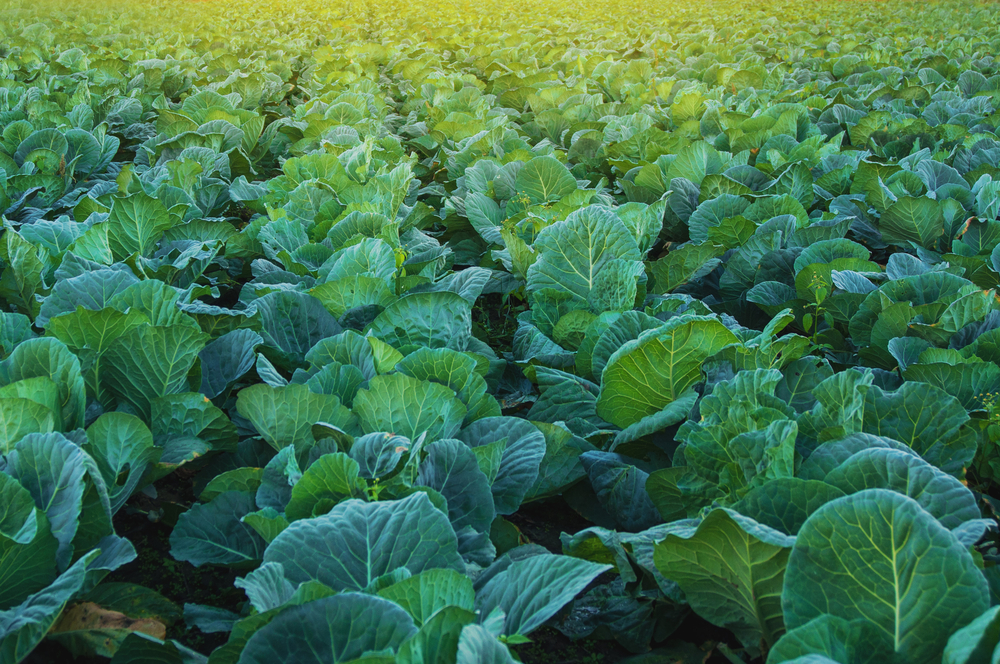
Collard Greens are popular in fall and winter gardens because they have a better taste, and grow into larger plants when the temperature gets colder. Smaller leaves will taste milder. Collards are a great choice for smoothies, salads, soups, and casseroles. They are full of rich vitamins and minerals, that will definitely bring a boost of nutrition to your diet, such as, vitamins A, E, C, and K, potassium, magnesium, calcium, iron, protein, phosphorus, folate, and zinc! In the garden, the plants are lush and beautiful. They can easily be grown in containers, in raised beds, or in-ground.
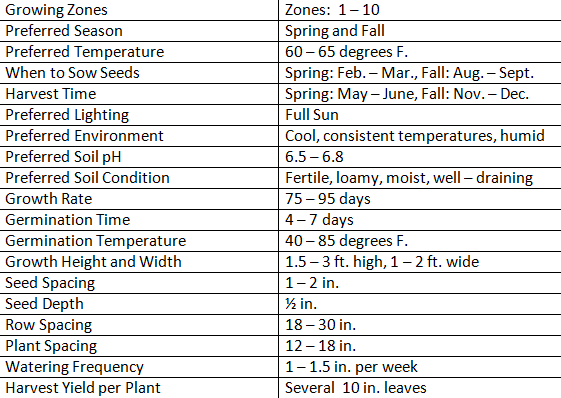
Start seeds in early spring for a late spring crop, in late summer for a fall crop, or in early fall for a winter crop. For spring, start seeds indoors a few months before the first expected frost. For fall and winter crops you can start outdoors rather than transplanting. If transplanting from indoors, provide your plants with a hardening off period, moving them outdoors for a few hours a day before setting them out permanently.
Provide your plants with fresh compost or fertilized soil to provide nutrients and ensure the soil is the right consistency; not too hard and compact. Make sure you provide each collard green plant with about a foot of room after they are transplanted. Water your collard greens often and consistently, and provide mulch to retain moisture in the soil. Keep the area weed and debris free. Practice crop rotation and use plant covers as necessary to prevent common pests and diseases.
To harvest collard greens, wait until they are around 10 inches long, green, and fresh looking. Harvest lower leaves first. Wash thoroughly and store in the refrigerator. Wrapping in a damp paper towel and storing in a plastic bag or container will keep the leaves crisp longer.
Alternaria is a common fungus that can have an effect on many vegetable crops. Sinking bruised spots will develop on fruit or rooting crops, and reddish or brown patches with streaking, will develop on leaves. It is common in cold wet environments. To prevent, keep the area weed and debris free, and provide good air circulation to lower humidity. Remove any infected leaves and fruits as soon as they are seen. Practice crop rotation and avoid overhead watering especially on humid days.
Black Leg is a seed born pathogen called, Phoma lingam, and can survive four years in seeds and three years in soil and crops. It will cause the plants to wilt and die off, and the plant roots will turn fleshy and dry. Prevent it by buying disease free certified seeds, practicing good crop rotation, improving drainage, and by providing good air-circulation.
Black Rot creates dull yellowing at leaf margins, blackening of veins, and soft rotting symptoms. It is caused by bacteria that is transferred from infected soil, transplants, or seeds. Hot, humid, rainy environments encourage its spread. Start with disease free transplants or seeds and practice good hygiene while handling the plants to help prevent it. Once present it is not preventable. Cooper treatments before presence can be beneficial.
Clubroot causes the plant roots to become mangled and misshapen. It is a fungal disease that causes the plants to quickly wilt and die. Remove any infected plants. Sterilize the soil and raise the pH to 7.2, to prevent the fungus from spreading to the other plants nearby.
Aphid nymphs and adults like to suck on plant juices, attack plant leaves, stems, buds, flowers, fruits, and the roots of many vegetable plants. To find them, look for misshaped, curling, or yellowing leaves. Look for tiny eggs on the undersides of leaves. They can be one of many colors, such as, white, tan, red, yellow, brown, or black. They are tiny and usually cover large portions of the leaves and stems. To prevent them, you can plant companion plants such as herbs that may deter or distract them. You can try and knock them off by spraying the plants thoroughly with water. Neem oil, insect soaps, cayenne pepper spray, a dusting of flour, and Diatomaceous Earth are all effective against aphids.
Cabbage Loopers are small green caterpillars that feed on plants at night. If minor, handpick them off the plants leaves and stems. If consistently a problem, use Bacillus thuringiensis (Bt) to treat for them. It is a natural pesticide that specifically targets a variety of caterpillars.
Cabbage Root Maggots feed heavily on roots and clump together in groups. They are small, white, legless maggots. It is the baby of a cabbage fly. Cabbage flies emerge in spring and lay eggs near the base of plant stems. Larvae hatch and burrow into the soil to feed on roots. After feeding, they mature into the pupae stage, and turn a brownish red color. Soon, cabbage root fly adults will emerge. Without treatment the plant will die. If and when you find eggs, remove and destroy them. Check roots for maggots and remove with a heavy rinse of water before replanting in fresh soil. Sticky traps, predatory nematodes, or wasps, can be effective preventatives.
Cabbage Worms become small white butterflies. They are very small little caterpillars with a yellow stripe and often lay eggs on your plants. They create heavy feeding damage on leaves in the form of irregular holes and can leave a stem leafless. Sticky traps and regular treatments of Bacillus thuringiensis are effective preventatives.
Flea Beetles are tiny beetles that create sporadic holes in the leaves. They can spread diseases like wilt and blight. To treat for flea beetles, you can use insecticidal soap, an early season insecticide, talcum powder, or sticky traps. All these options will reduce their numbers and damage.
Slugs and Snails will leave slime trails on your plants leaves that are clear and shiny. They will leave their eggs in the soil around your plants. They feed on the plants leaves and leave holes everywhere. Dig deep into the soil to see if you can find them. They aren’t usually seen during the day and do their damage at night. To control them, hand picking, beer traps, alcohol and water spray, cold coffee spray, or oak leaf mulches can help.

0 Comments