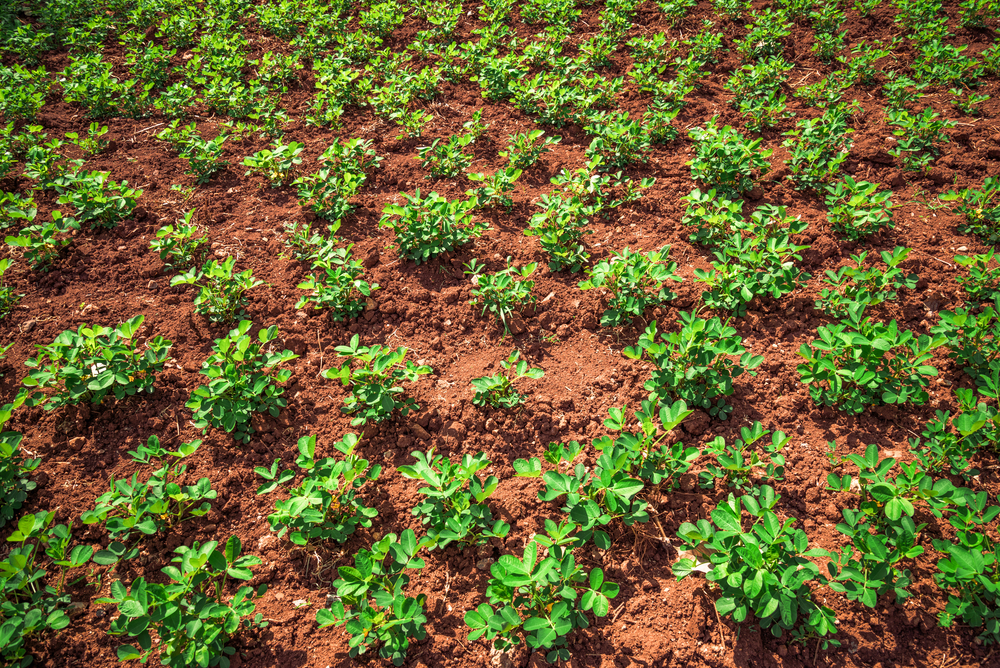
Peanuts grow in southern regions as they require hot, humid, subtropical conditions. Hardiness zones 8 – 11 in the U.S are ideal but hardiness zones 6 -7 can be productive if they are frost-free. Peanut plants grow into a nice bush above ground with pretty dainty flowers. Underground the peanuts form over a long growing season, as it can take up to 150 days for them to reach maturity. Peanuts are a beneficial pant for home gardens because they add nitrogen back into the soil, which will improve the soil quality overall. Peanuts make a great snack, in the south, we like them boiled and seasoned to perfection. Peanuts also pack a good health punch too, since they are loaded with healthy fats, protein, fiber, and vitamins.
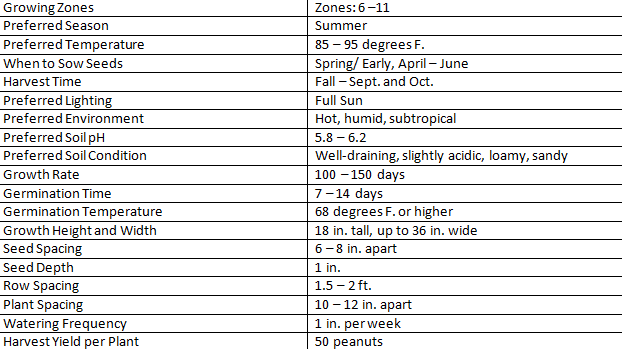
Pick a nice bright sunny location to plant peanuts. The soil should be slightly acidic, well-draining, loamy, and light. Sow seeds 1 in. deep and 6 – 8 in. apart. Plants can grow up to 36 in. in diameter so give them enough space to grow. As the plants sprout up, mound around the base of the plants to create hills. This will allow more peanuts to form in the soil. Water regularly and consistently but make sure the peanut plants do not become waterlogged. At the end of summer in early fall, the plants will start to die back and become brown. This is when it’s time to harvest.
Pick a dry day and harvest peanuts by carefully digging around them and then gently pulling the whole plant out. Shake off any excess soil from the peanuts and roots, leaving the peanuts attached. Find any peanut pods that broke off the roots during the harvesting in the soil and set them to the side. You can boil and eat peanuts right away in salt water for 2 -3 hours. Clean them very well before adding them to the boiling water. To cure, dry the peanut plants out by laying the plants down, spread out, or by hanging them upside down. Pick a dark/shaded place with good air circulation. After about a month the peanuts should be ready to be moved to storage. Shake off any leftover dirt and put the peanuts in mesh bags to store in a dark cool place. You can also store them in the fridge for a few months or the freezer for a year.
Blight causes small spots to form on the plants foliage that is usually round or circular with halos and a rust color. Stems become brown in color or have streaks. Prevention usually involves the use of a copper based spray, ample spacing between plants, and planting disease resistant varieties.
Leaf Spot creates little brown circular spots on plants leaves. When severe the entire leaf will brown and die. Treat with a fungicide if severe.
Root-Knot Nematodes cause plants to look wilted and genuinely unhealthy, pull up one plant and check for root knots. Remove all diseased plants form the garden. Remove any soil in the affected area. Plant disease resistant peanut varieties to avoid.
Armyworms are little caterpillars that move in groups and have large appetites for a variety of leafy crops, like tomato, cabbage, potato, beet, peanuts, and chickpeas. Hand pick and drop the army worms in soapy water, apply neem oil in the late evening, release ladybugs or beneficial nematodes, apply Bacillus thuringiensis(Bt) or Spinosad.
Caterpillar larvae skeletonize leaves and can cause plant damage. The moths lay eggs on the leaves underside. Prevent them by using nets, time your plantings for when they are not active, and encourage natural predators, like ladybugs to make a home in your garden.
Thrips are tiny thin flying insects that like to suck and feed on plants and lay eggs on leaves. It is possible for them to spread viruses so it’s important to look out for them. A few treatments of insecticidal soap can stop smaller infestations. Keeping plants covered with insect drapes and sticky traps are helpful preventatives.

0 Comments